



Food Grade Sodium Diacetate Powder
CAS NO.: 126-96-5
Molecular Formula: C₄H₇NaO₄ / CH₃COONa·CH₃COOH
Molecular Weight: 142.09 g/mol
Grade: Food Grade
Character: Fine white crystalline powder with good water solubility and a characteristic mild vinegar-like odor. It offers convenient dispersion and uniform mixing in food formulations.
Usage: Used as a food preservative, acidity regulator, antimicrobial-support ingredient, flavoring component, and pH-control agent in bakery products, processed meat, sauces, seasonings, snack foods, and other food products where authorized.
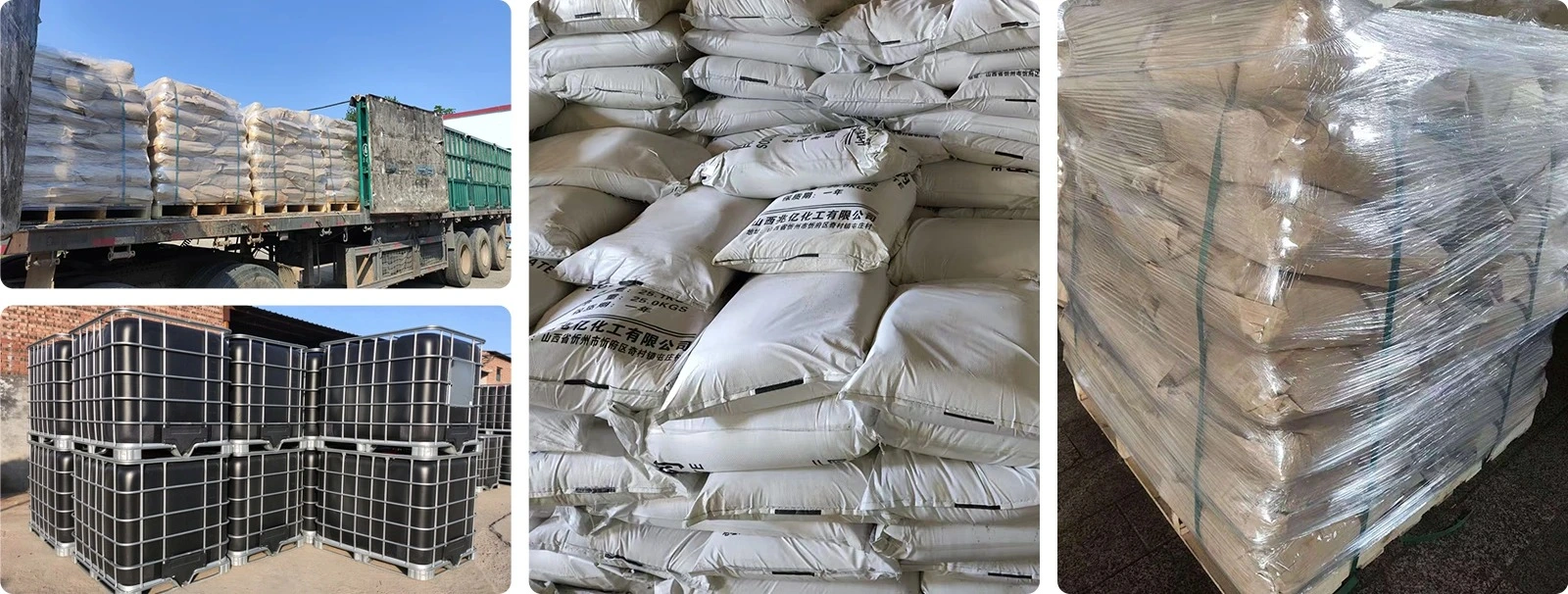
Package: 20 kg or 25 kg food-grade paper bag with an inner polyethylene liner. Customized packaging is available.
Storage: Keep tightly sealed in a dry, clean, odor-free, and ventilated warehouse. Protect from moisture and contamination.
- Product Description
Food Grade Sodium Diacetate Powder – Premium Preservative & Acidity Regulator for Food Safety
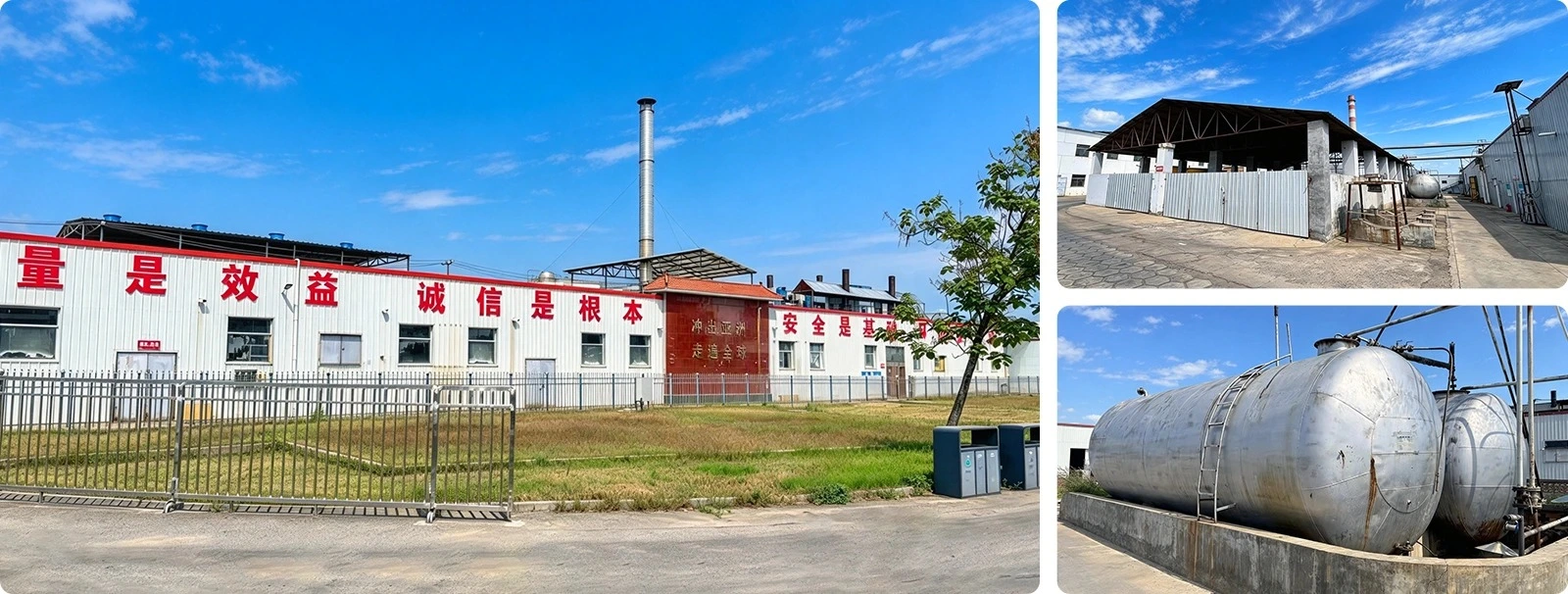
Shanxi Zhaoyi Chemical Co., Ltd. began in 1988. We are an experienced maker of acetate series chemicals. Our standardized production base covers 27,000 ㎡, and yearly output reaches 150,000 tons. From that, food processing companies around the world get a steady supply of food grade sodium diacetate powder. The powder is white and crystalline. Its molecular formula is C₄H₄NaO₄, and its CAS number is 126-96-5. Sodium acetate and acetic acid are combined in it, following a scientific compound formula. Baked goods, processed meat, seasonings, and other industries use it widely. There it works as a multipurpose food ingredient. It handles preservation with high efficiency and corrects pH at the same time. International mainstream food safety rules are met by our product. ISO, KOSHER, and HALAL approvals are all in place. Solubility and dispersion are excellent and even, so many food formulations can use it.
Key Features & Benefits
Our this product uses a dual-component synergistic formula. That sets it apart from single-function preservatives sold on the market. Sodium acetate and free acetic acid act together. The pair creates a strong pH buffering and antibacterial system. It stops different spoilage germs from reproducing, and it does so efficiently. For food makers, shelf-life extension is a major problem. This product solves it. Bread rope bacteria and Listeria in meat products are killed or held back with strong effects.
Compared with calcium propionate and other conventional preservatives, this product barely holds back yeast activity. Dough fermentation and proving in bakery manufacturing keep working. Nothing gets in the way of their effectiveness. That keeps product quality consistent and adds a lot of shelf life. A subtle natural vinegar scent comes with it. Food flavor can be enhanced, yet the genuine flavor of raw ingredients stays clear.
In liquid marinades or sauces, it breaks down quickly. Water-based formulas do the job as well. The powder is very fine. It dissolves in water with ease. That means it blends just as evenly into dry seasonings. Dosing stays on target. Batch after batch turns out the same. The final food keeps its texture. Flavor and appearance stay unchanged too.
Technical Specifications
Parameter | Specification |
|---|---|
CAS Number | 126-96-5 |
Molecular Formula | C₄H₇NaO₄ (CH₃COONa·CH₃COOH) |
Molecular Weight | 142.09 g/mol |
Appearance | White crystalline powder |
Purity (Assay) | ≥99.0% |
Free Acetic Acid Content | 39.0–41.0% |
Sodium Acetate Content | 58.0–60.0% |
pH (10% aqueous solution) | 4.5–5.0 |
Water Solubility | 1g per 1ml water |
Loss on Drying | ≤2.0% |
Heavy Metals (as Pb) | ≤10 ppm |
Arsenic (As) | ≤3 ppm |
How It Works
Acetic acid and sodium acetate both play a part. Together they give this product its strong germ-fighting ability. Undissociated acetic acid moves freely through the cell membranes of molds and yeasts. The same route takes it into gram-positive spoilage bacteria. Inside the microbe, the neutral cytoplasm makes it split. Hydrogen ions are released. This upsets the enzymes the bacteria need. Their metabolic cycle goes off track. Growth and reproduction stop at the source.
Sodium acetate comes along with it. This part buffers pH and holds it steady in food systems. A mild acidic setting stays in place. That keeps microbial activity under control for the product's full shelf life. In meat processing, it works with lactate salts to fight bacteria. The surface pH on the meat falls at a steady rate. Listeria growth is slowed. Refrigerated storage lasts longer. The meat's natural taste does not change.
Applications
Bakery Products
The suggested dose is 0.1%–0.4% (based on flour weight). At that level, rope spoilage in bread is stopped. Muffins and other baked goods get the same protection. Yeast is not held back. Fermentation stays steady. Baked items also keep for a much longer time.
Processed Meats
Frankfurters are a common use. So are deli meats and roast beef. The usual dose is 0.1%–0.25%. Sodium lactate works well with it. The pair controls Listeria well. They also make meat products safer and more stable in storage.
Sauces & Condiments
pH gets adjusted by this, and ketchup lasts longer. The same goes for salad dressings and marinades. Mild is the vinegar note. A savory hint can go into condiments. Sharp sourness does not come along.
Snack Food Grade Sodium Diacetate Powder Seasonings
This natural vinegar powder goes into potato chips and puffed snack seasonings. It helps the seasoning stick better. Less of it flakes off. You still get that real salt and vinegar taste.
Pickled Foods & Beverages
Pickled goods and acidified drinks ferment the same way each time when pH stays under control. Batch after batch turns out the same. Spoilage and decay during storage are held back too.
Product Comparison with Common Food Preservatives
Compared with traditional preservatives such as calcium propionate and potassium sorbate, our sodium diacetate has prominent advantages in bakery and meat product applications, with better compatibility and comprehensive cost performance:
Feature | Sodium Diacetate | Calcium Propionate | Potassium Sorbate | Sodium Benzoate |
|---|---|---|---|---|
Yeast Tolerance | Minimal inhibition | Moderate inhibition | Low inhibition | Low inhibition |
Rope Bacteria Control | Excellent | Good | Moderate | Poor |
Mold Inhibition | Excellent | Good | Excellent | Good |
Flavor Impact | Mild vinegar note | Neutral | Neutral | Slightly bitter |
Water Solubility | Excellent (1:1) | Moderate | Good | Good |
Effective pH Range | 4.5–5.5 | 5.0–6.0 | 3.0–6.5 | 2.5–4.5 |
Meat Application Suitability | Excellent | Poor | Good | Moderate |
Heat Stability | Stable to 150°C | Very stable | Stable to 270°C | Stable |
Food Grade Sodium Diacetate Powder Certifications & Compliance
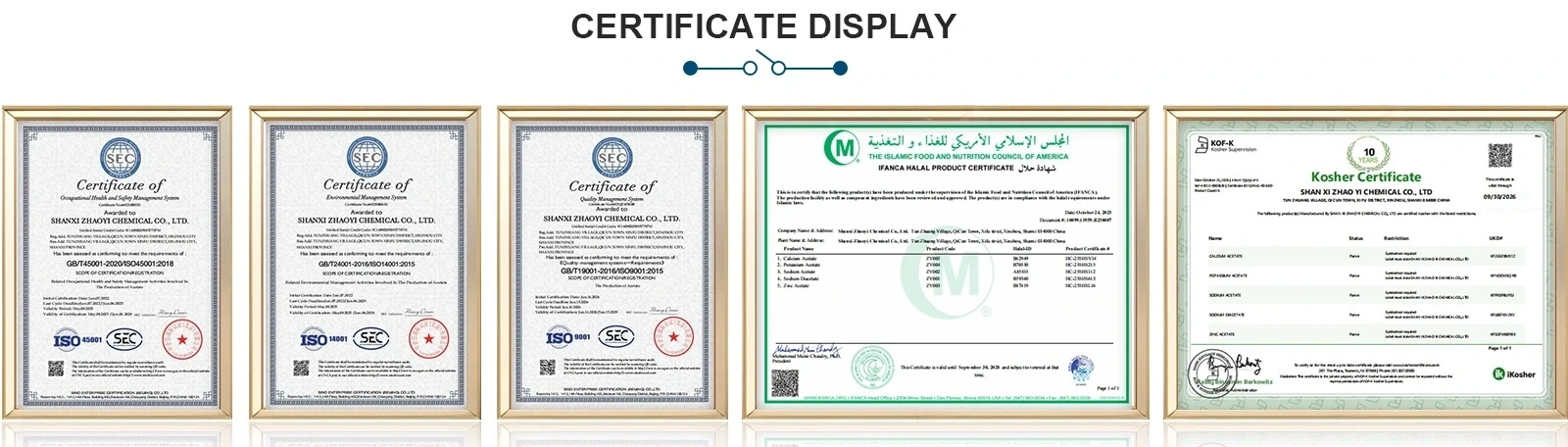
Across the whole production line, our factory works under the ISO 9001 quality management system. Valid KOSHER and HALAL certificates come with the product. Many dietary and food access standards worldwide are met by that.
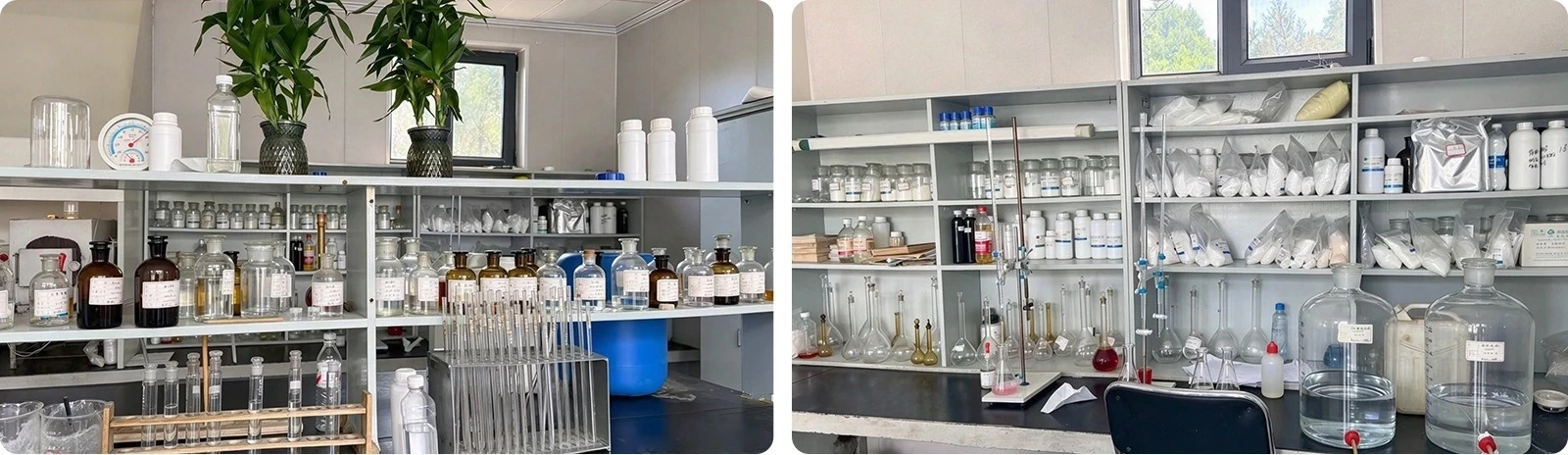
FDA GRAS rules (21 CFR 184.1754) cover this product. EU E262(ii) standards apply too, and FCCXI food chemical specs are met. Purity gets tested on every batch. Heavy metals are checked as well. So are arsenic and microbial indicators. A full COA test report comes with each order. Buyers use those reports to meet market rules. They also need them to pass their own quality inspections.
Packaging Options
We provide diversified food-grade packaging solutions to adapt to different procurement volumes and export scenarios:
Standard Packaging: 20kg/25kg multi-layer food-grade paper bags. A PE liner sits inside and blocks moisture, so the contents stay safe and free of dust. For normal batch orders and day-to-day production, this option fits well.
Bulk Packaging: 500kg/1000kg food-grade FIBC big bags. Large-scale food processing factories are who these are made for. Packaging costs drop, and handling gets faster.
Custom Service: Private labeling is available. We also adjust packaging specs to match your own brand and the way you store the goods, whether you are a distributor or a brand owner.
Manufacturing Process
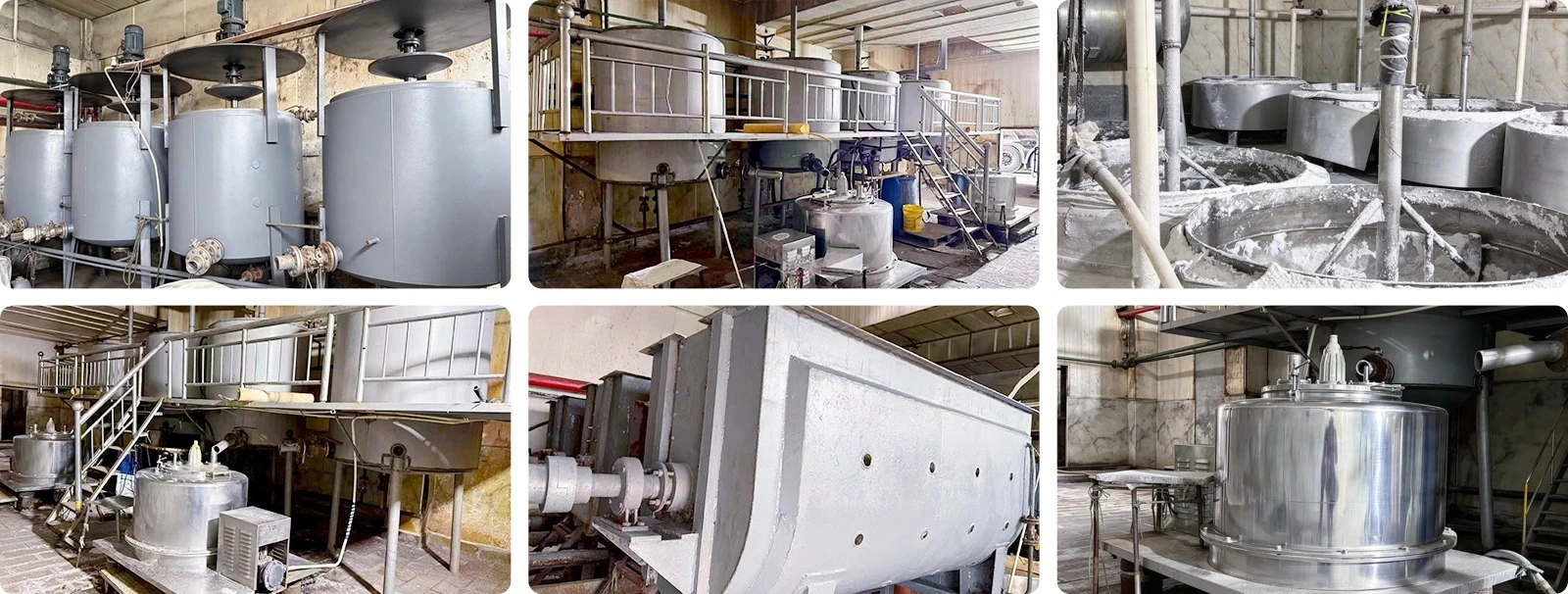
Two things make up our raw materials: food-grade sodium acetate and glacial acetic acid. Both come at high purity. Each one is weighed out in exact ratios, then reacts inside closed reactors, where the temperature stays under control. What comes out is a raw compound with an even mix. Several filtration stages take the impurities out. Crystallization runs next at a steady temperature, and that leaves stable crystal particles.
Drying and milling run on equipment used only for food-grade work. That keeps cross contamination out and protects product activity and stability. Every step follows GMP standard specifications. From incoming inspection of raw materials through to packaging of the Food Grade Sodium Diacetate Powder finished product, each batch can be traced in full. Quality comes out steady and reliable.
Why Choose Us
Acetate production has been our trade for more than 35 years. Our work covers R&D and the making of food-grade additive products. Every year our lines turn out 150,000 tons. So stock stays plentiful, and supply holds steady even in peak season.
Our technicians give formulation advice aimed at your own product. How much to add, and how to apply it, are both part of that. The help covers bakery, meat, and seasoning goods. Customers come away with better quality and lower total costs.
We have a mature global export logistics system, delivering goods stably and efficiently to Europe, America, Asia and other regions. With complete export documents and flexible supply modes, we provide one-stop procurement services for global B-end customers.
FAQ
Q: What is the standard dosage for bread production?
A: A1: Use 0.1%–0.4%, measured against flour weight. That is the recommended amount. Begin at 0.2%. From there, tune it to the moisture your product has and the shelf life you are after. The best effect comes from that.
Q: Does this product have any effect on yeast fermentation?
A: A2: Almost no impact. It acts nothing like calcium propionate. At the standard dose, it barely inhibits yeast activity. Dough proofing time and fermentation effect stay stable.
Q: Is it okay to mix it with other food preservatives?
A: A3: Yes. It mixes well with other additives. Sodium lactate is a good partner in meat products. For acidic foods, pair it with potassium sorbate. Each additive then goes in at a lower dose, which makes the preservative effect better.
Q: How long does it keep if stored correctly?
A: A4: The shelf life is 24 months. Keep the container sealed and dry. Moisture must stay out. Direct sun will harm it. High heat is bad news too.
Q: Is it applicable to organic food processing?
A: A5: Although it is a synthetic food additive, it is allowed to be used in partial organic food systems. Please confirm the specific provisions of local organic certification institutions.
Q: How is its comprehensive cost performance compared with calcium propionate?
A: A6: Its unit price is slightly higher, but it has better antiseptic efficiency with lower applicable dosage. The actual comprehensive use cost is more competitive, with more prominent product application advantages.

Feel free to contact our professional sales team via sxzy@sxzhaoyi.com to get exclusive tailored quotations for Food Grade Sodium Diacetate Powder, and free sample support according to your procurement need.

USER EVALUATE
Here is the customer's evaluation of us