



Trihydrate Sodium Acetate
CAS NO.: 6131-90-4
Molecular Formula: CH₃COONa·3H₂O
Molecular Weight: 136.08 g/mol
Character: Colorless transparent crystals or white crystalline powder. It is readily soluble in water, slightly soluble in alcohol, and hygroscopic.
Usage: Used as a buffering agent, pH regulator, textile auxiliary, pharmaceutical intermediate, analytical reagent, food additive where permitted, and wastewater treatment chemical.
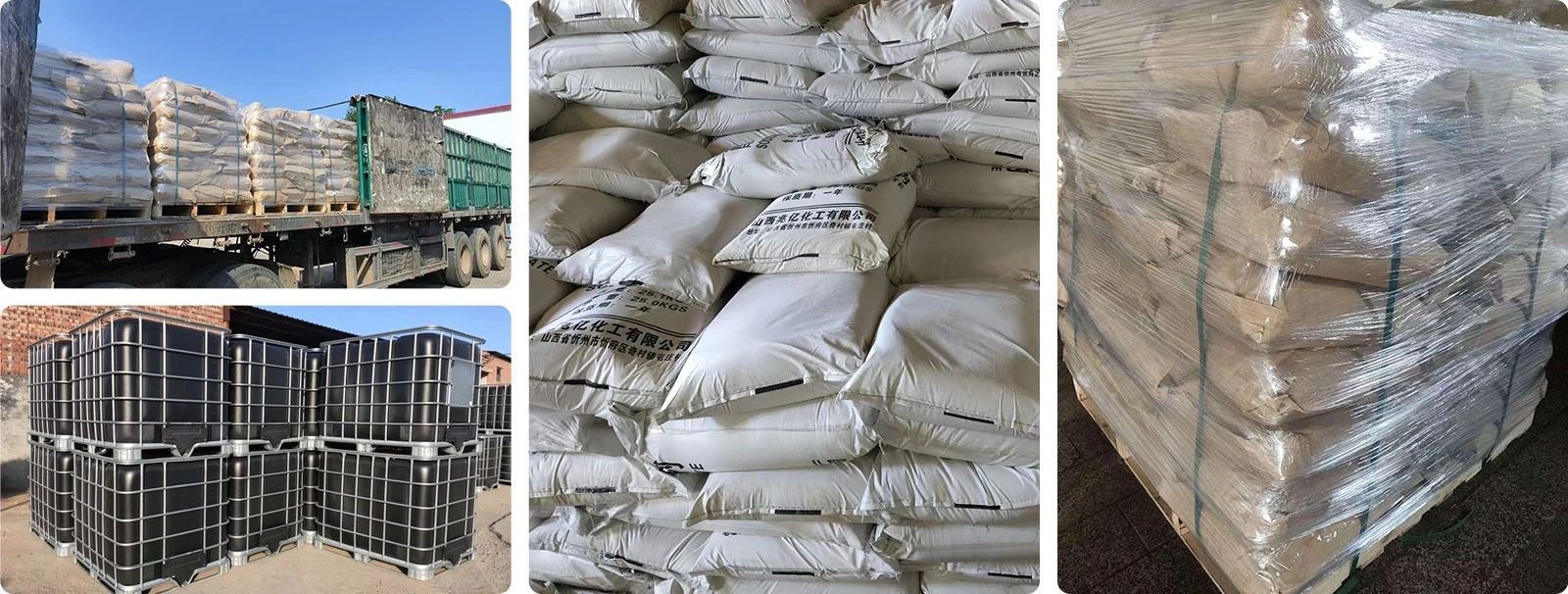
Package: 25 kg paper bag or plastic woven bag with an inner polyethylene liner.
Storage: Store in a cool, dry, and well-ventilated warehouse with the package tightly closed.
- Product Description
Trihydrate Sodium Acetate | Industrial & Food Grade Solution | High Purity Buffer & pH Regulator
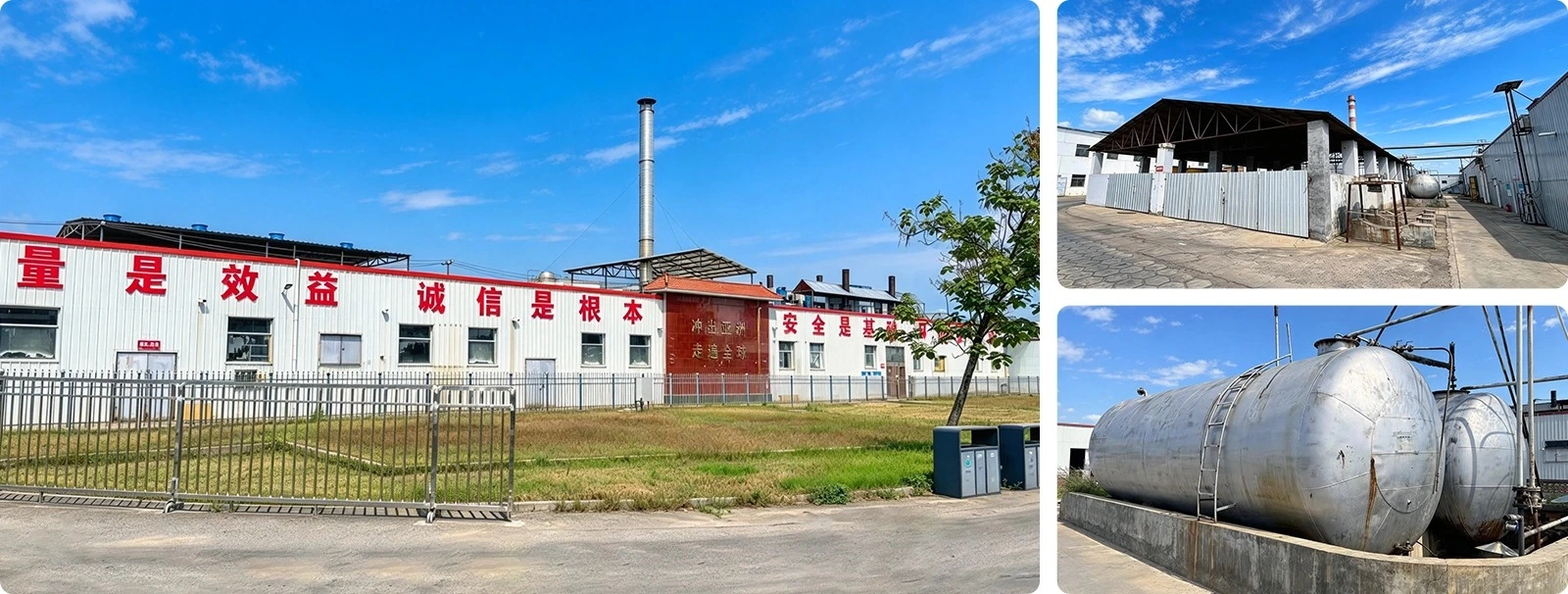
SHANXI ZHAOYI CHEMICAL CO., LTD is a chemical producer with more than 35 years behind it. Our specialty is Trihydrate Sodium Acetate (CH₃COONa·3H₂O). The company runs a 27,000 ㎡ production base built to standard specs. Output reaches 150,000 tons of acetate series products every year. Purity comes in at 99% or higher. This meets FCC and E262(i) international standards. We carry ISO and KOSHER certificates, plus HALAL. Our range covers both industrial and food-grade specs. That makes it useful for wastewater treatment and food preservation. Textile processing is another area where it fits, and so are other fields. Decades of manufacturing experience sit behind us. So buyers get steady buffering performance, tight quality control, and a supply chain they can count on worldwide.
Key Features & Benefits
Better Buffering Efficiency
In water, our product holds a steady pH between 8.0–9.5. That lets you fine-tune acidity for pharmaceutical formulation and food processing. Strong acid-base reactions during production get blocked. Product quality stays the same batch after batch.
Versatility Across Industries
Food-grade application needs are met. Textile auxiliaries use it, and so do oilfield drilling fluids. Other industrial settings rely on it as well. One raw material covers both industrial and food-grade grades. Clients can buy everything in one place. Supply chain costs drop as a result.
Better Solubility Behavior
Water solubility reaches 46.5g/100mL at 20°C. It breaks down fast in water too. For industrial production, that makes it a good match for automatic dosing equipment. Temperature swings are no problem either. The trihydrate crystal structure it carries keeps the effect working for a long time.
Bacteriostatic Action
Combined with organic acids, it stops Gram-negative bacteria from growing. As a result, the final goods last longer on the shelf. It does that by taking over part of the job of synthetic preservatives. Marinades, condiments, and other items are the usual places where this helps.
Technical Specifications
Parameter | Specification |
|---|---|
CAS Number | 6131-90-4 |
Molecular Formula | CH₃COONa·3H₂O |
Molecular Weight | 136.08 g/mol |
Appearance | Colorless crystals / White powder |
Purity | ≥99.0% |
Water Solubility | 46.5g/100mL (20°C) |
Melting Point | 58°C |
pH (1% solution) | 8.0–9.5 |
Heavy Metals (Pb) | <2 mg/kg |
Loss on Drying | 36.0%–41.0% |
How It Works
Buffering Mechanism
Acetate ions are the conjugate base of acetic acid. Together they form a buffer system that stays steady. When chemical reactions or biological metabolism push the pH value around, the buffer resists the shift. That keeps the whole production system stable.
Crystallization Control
Each unit of this product carries three bound water molecules inside its crystal structure. That arrangement is what keeps the product stable. Bulk lots resist caking and going bad even after months in damp air.
Antimicrobial Synergy
In its undissociated form, the product passes through bacterial cell membranes with ease. Blend it with citric acid, propionic acid, or other organic acids and the antibacterial action adds up. Finished goods then hold their freshness longer and fight bacteria better.
Applications
Wastewater Treatment
It is used as an external carbon source for biological denitrification in municipal and industrial wastewater treatment plants, which can optimize the carbon-nitrogen ratio of the water body, improve the efficiency of biological denitrification, and ensure the standard discharge of wastewater.
Textile Industry
It stabilizes the pH value in the reactive dyeing and fixing process of textiles, neutralizes residual acid substances after finishing treatment, will not cause damage to fabric fibers, and effectively improves dyeing uniformity and finished product quality.
Food Preservation
It is a recognized acidity regulator, sold under the name E262i. Drinks and sauces rely on it. Baked goods and sweets use it too. Rope spoilage from Bacillus subtilis gets held back, so food lasts longer on the shelf. Taste stays mild, with no odd smell.
Pharmaceutical Manufacturing
It holds pH steady, which is what API synthesis and pharmaceutical production need. This food-grade material meets USP standards. You can also use it to prepare medical injectable solutions. It is safe to handle and it behaves the same way every time.
Oilfield Services
In oilfield drilling fluids it does useful work. The viscosity goes up or down as needed, and so does the alkalinity. Clay swells easily in complex geological formations, and this product keeps that from happening. Drilling fluid performance stays steady. Drilling operations then move ahead without trouble.
Trihydrate Sodium Acetate vs Other Products
Feature | Trihydrate Sodium Acetate | Calcium Propionate | Anhydrous Sodium Acetate |
|---|---|---|---|
Buffering Capacity | Excellent (pH 8–9.5) | Limited | Moderate |
Water Content | 36–41% (stable) | None | <2% (hygroscopic) |
Yeast Compatibility | High (no inhibition) | Low (fermentation impact) | High |
Solubility Speed | Fast (46.5g/100mL) | Moderate | Very fast |
Flavor Profile | Mild vinegar note | Bitter aftertaste | Neutral |
Storage Stability | Good (controlled humidity) | Excellent | Poor (clumps easily) |
Certifications & Compliance
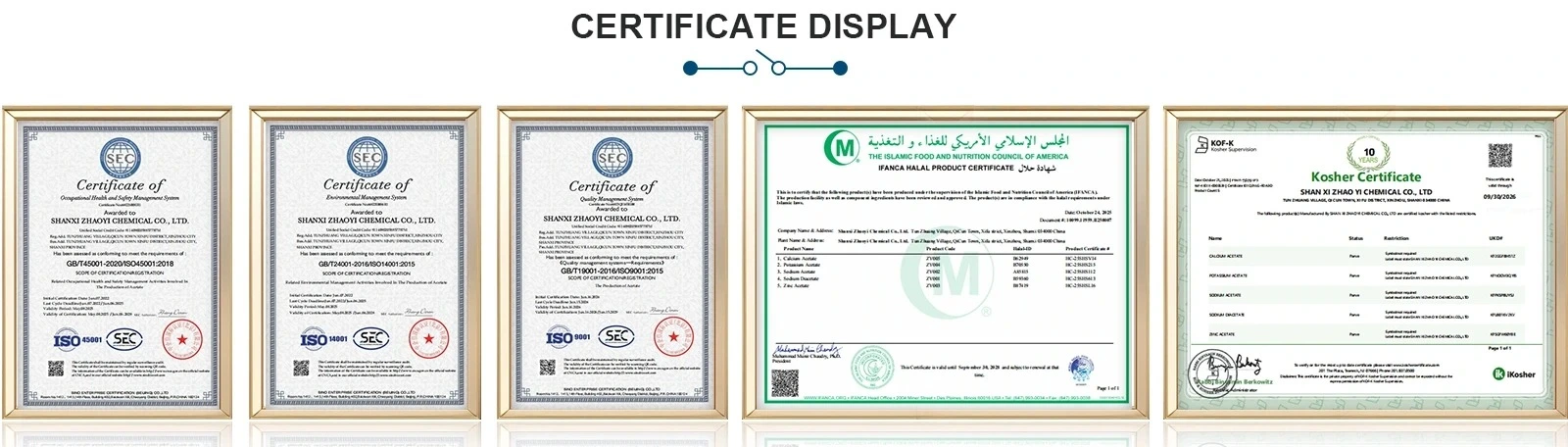
Our production base has passed ISO 9001:2015 quality management system certification, and all products support complete qualification inspection. Our food-grade Trihydrate Sodium Acetate strictly complies with FCC specifications and EU E262(i) regulatory standards, and holds valid KOSHER and HALAL certificates. With complete product traceability documents, our products can fully meet the market access requirements of North America, Europe, Asia and other global regions.
Packaging Options
Standard Industrial Grade
Packing comes in 25kg multi-layer paper bags. A PE lining sits on the inside. That lining keeps moisture and dust out. On long-distance hauls, or during short-term warehouse storage, the product holds up as it should. This fits general industrial production scenarios.
Food Grade Packaging
The goods ship in 25kg woven plastic bags. Each bag has a high barrier PE lining that keeps moisture out. That lining stops outside contamination, and it also stops the material from taking in water. Our packaging follows food safety standards. It is made to order for food-grade uses.
Bulk Supply
Provide 500kg–1000kg ton bags (FIBCs) bulk packaging solutions. It greatly reduces manual handling costs and packaging waste, and is the preferred packaging method for large-scale continuous production enterprises.
Manufacturing Process
Neutralization Stage
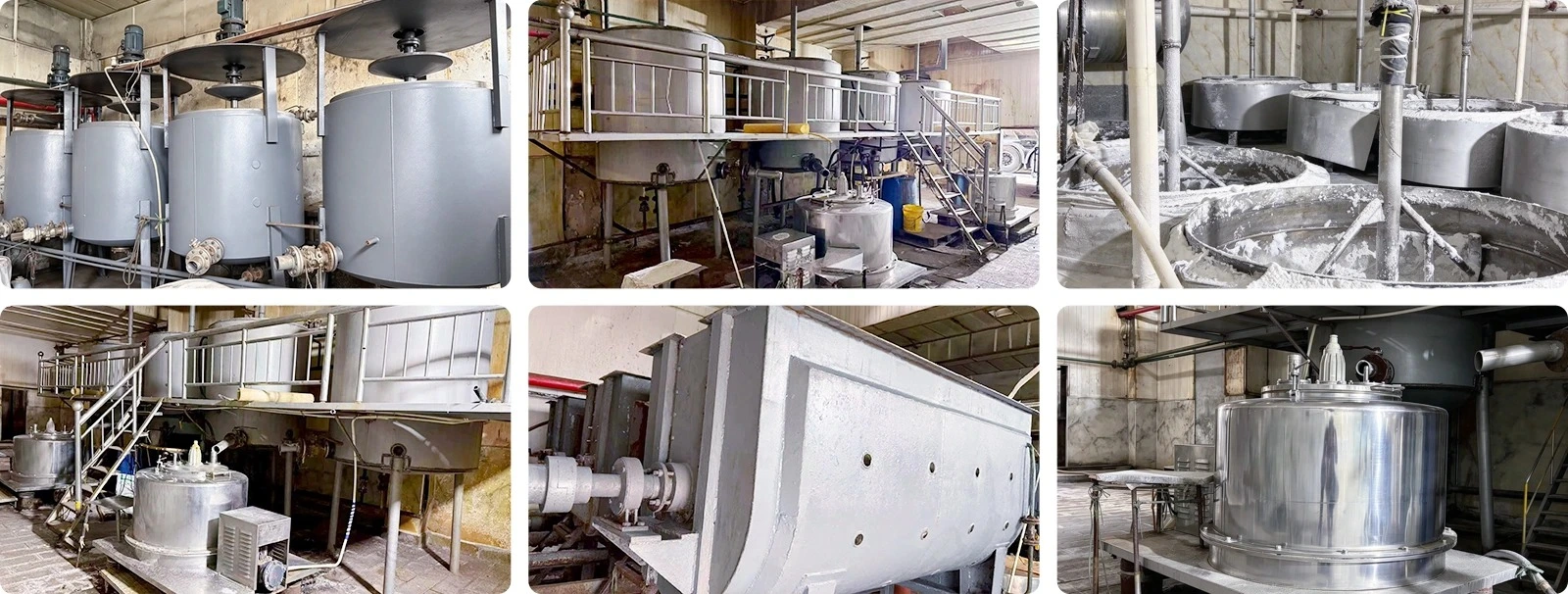
We adopt precise proportioning of glacial acetic acid and sodium hydroxide/sodium carbonate for neutralization reaction. Through strict temperature and pressure control of exothermic reaction, the raw materials are fully converted, and the impurity content of the finished product is minimized.
Crystallization Phase
The saturated reaction solution is cooled and crystallized at a constant temperature of 20°C through intelligent temperature control equipment. The product has uniform crystal particle size, which further optimizes the dissolution efficiency and stability in customer's production process.
Purification Steps
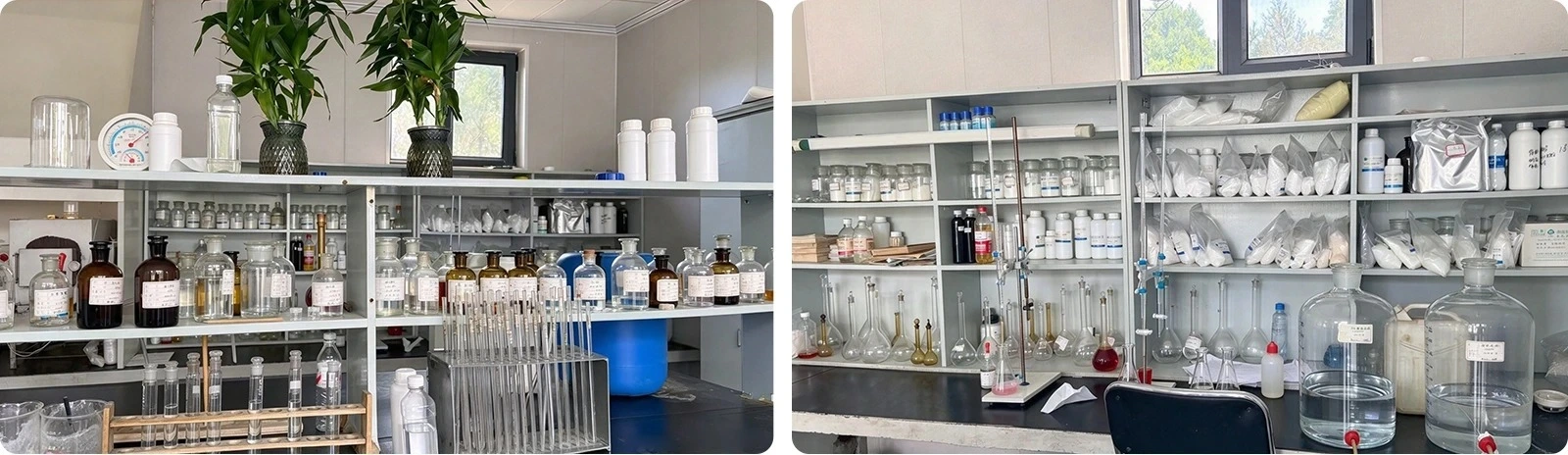
Multiple recrystallization purification processes are adopted to effectively remove heavy metals, organic impurities and other harmful substances. Each batch of products is tested and verified by the professional quality inspection laboratory to meet international food and industrial safety standards.
Drying & Packaging
After centrifugal dehydration and constant-temperature drying, the product stably reaches the standard moisture content of 36–41%. The whole process is completed in a constant temperature and humidity dust-free workshop with automatic packaging equipment to ensure no product deterioration before delivery.
Why Choose Us
Three Decades of Expertise
Founded in 1988, our factory has focused on acetate product R&D and manufacturing for more than 35 years. We are familiar with the technical parameters and regulatory requirements of various industry applications, and can provide targeted product solutions for customers.
Massive Production Scale
With an annual output of 150,000 tons of acetate products, we have sufficient inventory reserves and production capacity. It can effectively guarantee continuous and stable supply, and help customers avoid production shutdown risks caused by raw material shortage even in peak demand seasons.
Global Distribution Network
Our products are exported to Europe, America, Asia-Pacific and other regions worldwide. We have long-term cooperative logistics teams, which can shorten delivery cycles, reduce freight costs and solve cross-border supply problems for customers.
Rigorous Quality Assurance
Every batch of products undergoes 12 strict testing procedures including HPLC purity detection. We provide complete COA inspection reports and raw material traceability documents to ensure stable and reliable product quality for each shipment.
FAQ
Q: How do trihydrate and anhydrous sodium acetate differ at the core?
A: A1: The biggest difference lies in crystal water content and stability. This product contains 36–41% crystal water, with excellent storage stability and no easy caking. Anhydrous sodium acetate is highly hygroscopic, prone to agglomeration, and has poor stability in humid environments.
Q: Can this product be used in organic food production?
A: A2: Yes. Natural acetic acid is the raw material we use, so our products can carry organic certification. We can hand over organic qualification documents. Those documents meet USDA NOP standards. They cover what your organic food production needs.
Q: What are the standard storage conditions for the product?
A: A3: Keep the product in a warehouse. Temperature there should stay under 30°C, and relative humidity below 60%. That stops the crystal water from escaping and keeps the product from caking. Automatic dosing then stays accurate, and the effect in use stays steady.
Q: Does the product get in the way of yeast fermentation in baked goods?
A: A4: Hardly any effect at all. Yeast inhibition from our product is very low, much lower than calcium propionate. Use 0.1–0.5% of the flour weight. At that level you still get mold protection and longer freshness, and the dough ferments and rises as normal.
Q: In cold water, how quickly does this product dissolve?
A: A5: It has excellent low-temperature solubility. Under gentle stirring at 15°C, the product can be completely dissolved within 2–3 minutes, with better low-temperature dissolution performance than anhydrous sodium acetate.
Q: Which industries get the most use out of the product?
A: A6: It spans two areas, industry and food. Food preservation is one main use. Another is pH buffering for medicines. The product also goes into textile dyeing and finishing, and into wastewater treatment. Drilling fluid conditioning in oilfields is on the list too. So it fits a wide range of jobs.
Request a Quote
Email us at sxzy@sxzhaoyi.com about Trihydrate Sodium Acetate at any time.

USER EVALUATE
Here is the customer's evaluation of us