



Sodium Acetate Trihydrate Technical
CAS NO.: 6131-90-4
Molecular Formula: CH₃COONa·3H₂O
Molecular Weight: 136.08 g/mol
Grade: Technical Grade
Character: White crystalline material, readily soluble in water and slightly soluble in alcohol. It is hygroscopic, and its aqueous solution is mildly alkaline.
Usage: Suitable for textile processing, leather treatment, electroplating, chemical manufacturing, industrial pH regulation, concrete additives, and wastewater treatment.
Package: 25 kg plastic woven bag with an inner liner or 1000 kg bulk bag.
Storage: Keep the package sealed and store in a cool, dry, and well-ventilated warehouse.
- Product Description
Sodium Acetate Trihydrate Technical – Industrial-Grade Chemical Solution for Multi-Sector Applications
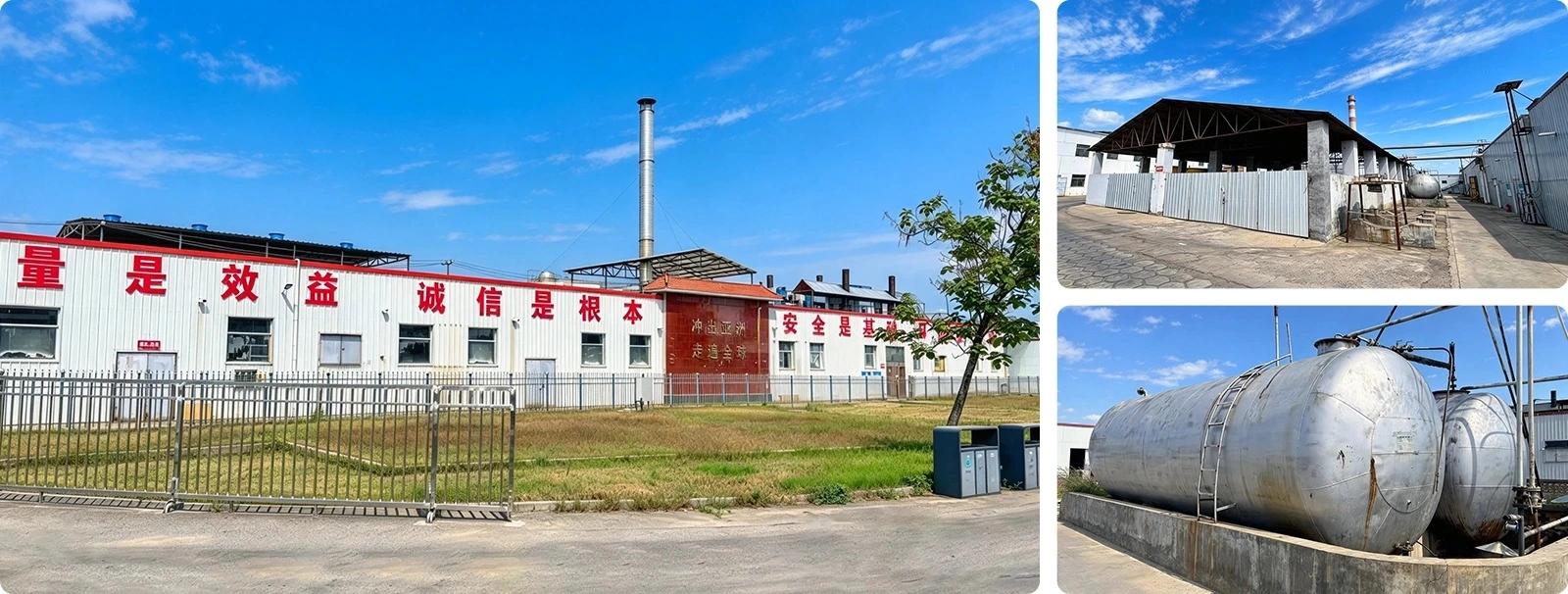
Shanxi Zhaoyi Chemical Co., Ltd. started up in 1988. That adds up to more than 35 years of doing real work in industrial chemical manufacturing. Our plant covers 27,000 ㎡ and follows a standardized setup. Output reaches 150,000 tons each year. The main product we supply is Sodium Acetate Trihydrate Technical. Its molecular formula is CH₃COONa·3H₂O. Molecular weight comes to 136.08 g/mol. Exact specs decide how this technical-grade crystal gets made. Many industrial jobs can put it to use. Textile processing is one. Another is electroplating production. Wastewater treatment works too, and so does fine chemical manufacturing. We hold full ISO certification. KOSHER and HALAL approvals are also in place. Quality does not shift from one batch to the next. That is why long-term clients stay with us. Repeat buyers are located in Europe. The rest come from America and Asia. What you receive is a uniform white crystalline powder. It dissolves well in water. Mild alkaline traits are part of it. That makes it a fit for pH adjustment and buffering in industry. Moisture is also kept at a steady level. This turns it into a key additive for concrete engineering and leather processing industries.
Key Features & Benefits
Solubility Profile: Water takes in this industrial chemical fast. Nothing is left behind. It then blends evenly into industrial batching and continuous production lines with no delay. Hygroscopicity stays steady. That keeps the moisture level right. Some industrial uses need that exact material behavior.
Industrial-Grade Purity: Our this product is made for every non-food industrial use. Tight quality control runs through the whole process. Chemical performance stays steady and reliable as a result. Purity and particle size remain the same in each batch. Clients then avoid production swings.
pH Regulation Capability: Once it dissolves, you get a mildly alkaline solution in water. That makes it handy as a neutralizer and a buffer when industry needs to correct acid-base balance. Thanks to this basic trait, pH levels stay steady through leather tanning and textile dyeing. The finished goods come out better for it.
Cost-Effective Solution: Our technical-grade trihydrate maintains comparable industrial application performance at more affordable prices as compared to anhydrous sodium acetate solutions. It successfully lowers overall material handling and procurement costs for businesses when combined with a variety of bulk packaging choices.
Versatile Chemical Intermediate: In organic synthesis, it serves as an acetylating agent. Electroplating baths hold a steady pH because of it. Less predictable is how anhydrous grades behave. The trihydrate form does not act that way. Plant staff then get safer handling, and storage stays simpler day to day.
Technical Specifications
Parameter | Specification |
Chemical Formula | CH₃COONa·3H₂O |
CAS Number | 6131-90-4 |
Molecular Weight | 136.08 g/mol |
Appearance | White crystalline powder |
Grade | Technical Grade |
Water Solubility | Readily soluble |
Alcohol Solubility | Slightly soluble |
pH (1% solution) | 8.0: 9.5 |
Water of Crystallization | ~39.7% (3 H₂O molecules) |
Hygroscopic Nature | Yes |

How It Works
Sodium Acetate Trihydrate Technical does its work through ionic dissociation. That is where its industrial effects come from. Put it in water and sodium cations (Na⁺) together with acetate anions (CH₃COO⁻) come out at a steady rate. Acetate anions are weak alkaline ions. A buffering system forms from the two of them, and it flips back whenever needed. So the solution pH holds firm. Sudden acid-base swings never get through while operations run nonstop.
Leftover acid compounds from textile dyeing and finishing are fully neutralized by it. Dye soaks in more evenly and clings better, thanks to its mild alkalinity. Color fastness improves a lot. The evenness of the color improves too. Even so, the fabric fibers are not corroded or harmed.
Inside wastewater treatment plants, denitrifying bacteria feed on acetate ions, which act as their carbon source. Breaking that source down is easy for them. Their work rate stays high as a result. Meeting discharge standards then gets simpler. Microbial activity picks up, denitrification runs quicker, and nitrate counts drop steadily in both municipal and industrial sewage.
Pouring concrete in cold weather depends on it as a curing accelerator. Water in the mix freezes at a lower point. Hydration of the cement speeds up too. Moisture leaves the trihydrate structure at a steady rate. That way, concrete still cures properly and steadily when temperatures stay low.
Applications
Textile Industry: Mills rely on it to hold pH steady in dyeing baths. Fabric printing also puts it to work as a mordant. Any acid left over after treatment gets neutralized. Brittleness and damage are what the chemical prevents, so fabric stays soft. Colors come out brighter, and they hold for longer.
Leather Treatment: In chrome tanning it works as a steady buffering agent. Pickling liquor gets neutralized by it too. Collagen only stays stable inside a set pH range, and this keeps the bath there. Texture and quality of the finished leather then come out the same every time.
Electroplating Operations: Zinc and tin plating baths take it in as an additive. Conductivity in the solution stays stable. pH drift while plating does not get out of hand. The deposits come out flatter and more even.
Wastewater Treatment: This carbon source breaks down on its own. It does the job well. It feeds the bacteria that drive biological denitrification and nutrient removal. City sewage plants handling more than 5,000 cubic meters a day see much better treatment.
Chemical Manufacturing: Fine chemical production uses it as a synthetic intermediate. It also works as an esterification reagent and a catalyst modifier. Dyes depend on it during synthesis and processing. Pharmaceutical raw materials and photographic chemicals do too.
Concrete Technology: On winter jobs, this additive stops concrete from freezing and speeds up the set. It still does its job at -15°C. Crews can keep pouring, and after the concrete hardens it keeps its full structural strength.
Sodium Acetate Trihydrate Technical vs Other Products
Feature | Sodium Acetate Trihydrate | Anhydrous Sodium Acetate | Calcium Acetate |
Water Content | ~39.7% (3 H₂O) | 0% | Variable |
Handling Safety | Less dusty, easier to handle | Hygroscopic, prone to dust | Moderately hygroscopic |
Cost Efficiency | Lower cost per functional unit | Higher cost | Similar to trihydrate |
Solubility Speed | Rapid dissolution | Very rapid but exothermic | Moderate dissolution |
Storage Stability | Stable in sealed conditions | Requires moisture-proof storage | Requires dry storage |
Alkalinity | Mild (pH 8-9.5) | Mild (pH 8.5-10) | Slightly weaker buffering |
Certifications & Compliance
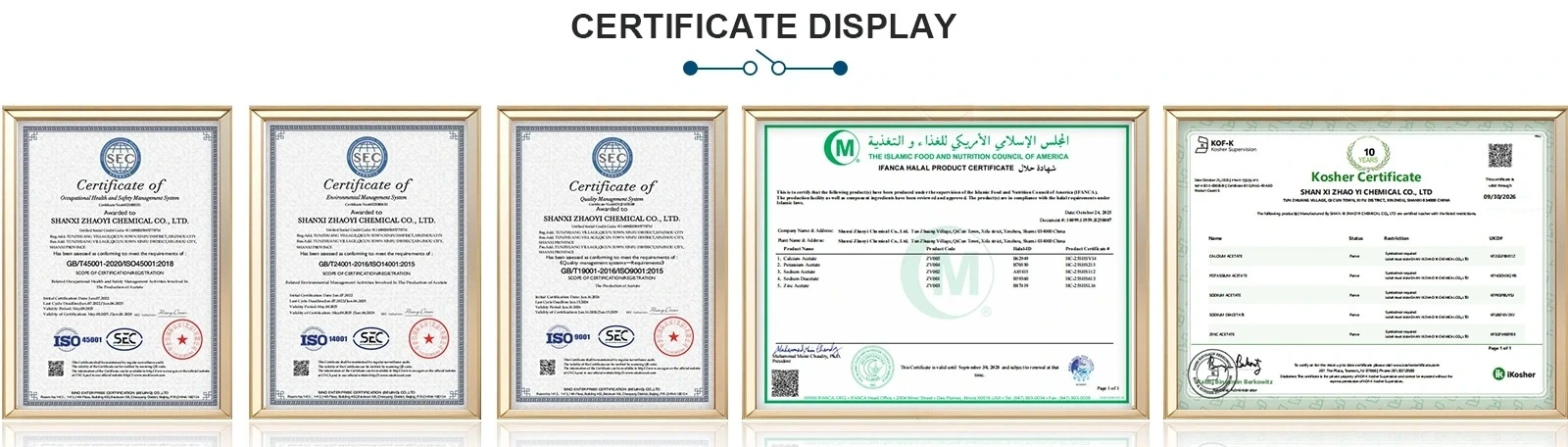
Our entire production line strictly complies with international quality management standards, holding valid ISO 9001:2015 quality system certification, as well as KOSHER and HALAL compliance certifications, supporting smooth access to global multi-industry markets.
Production runs to the national specs set for the chemical industry, and to the environmental protection rules as well. The plant has its own sewage and waste gas treatment systems built in, so local discharge limits are met. Every batch matches the quality specs for technical-grade acetate. Third-party audits check compliance and stability on a regular schedule.
Packaging Options
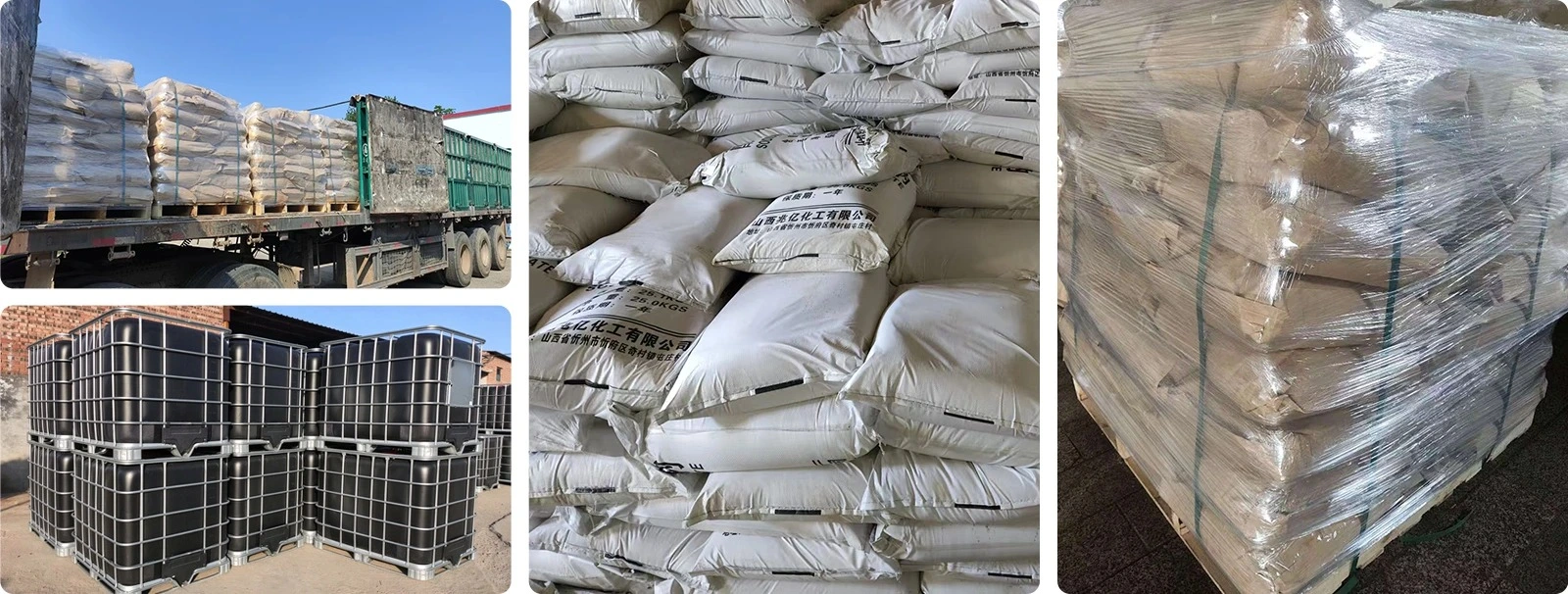
Standard Packaging: Comes in 25kg plastic woven bags. Inside each bag sits a thickened PE liner that keeps moisture away. Thanks to the multi-layer seal, outside humidity stays out. So the product will not take on water or cake up on long trips or after months in the warehouse.
Bulk Packaging: One option is 1000kg FIBC jumbo bags. Lifting lugs come on each bag, and a discharge nozzle does too. Automated feeding and unloading equipment works well with them. No other packaging gets picked more often by big industrial plants.
Custom Packaging: How a customer handles, stores, and ships goods shapes the packaging we build. Anything that falls outside the standard range gets quoted under its own MOQ rules. Every package we send is classed as non-hazardous. That way it meets international shipping rules and UN transport standards.
Manufacturing Process
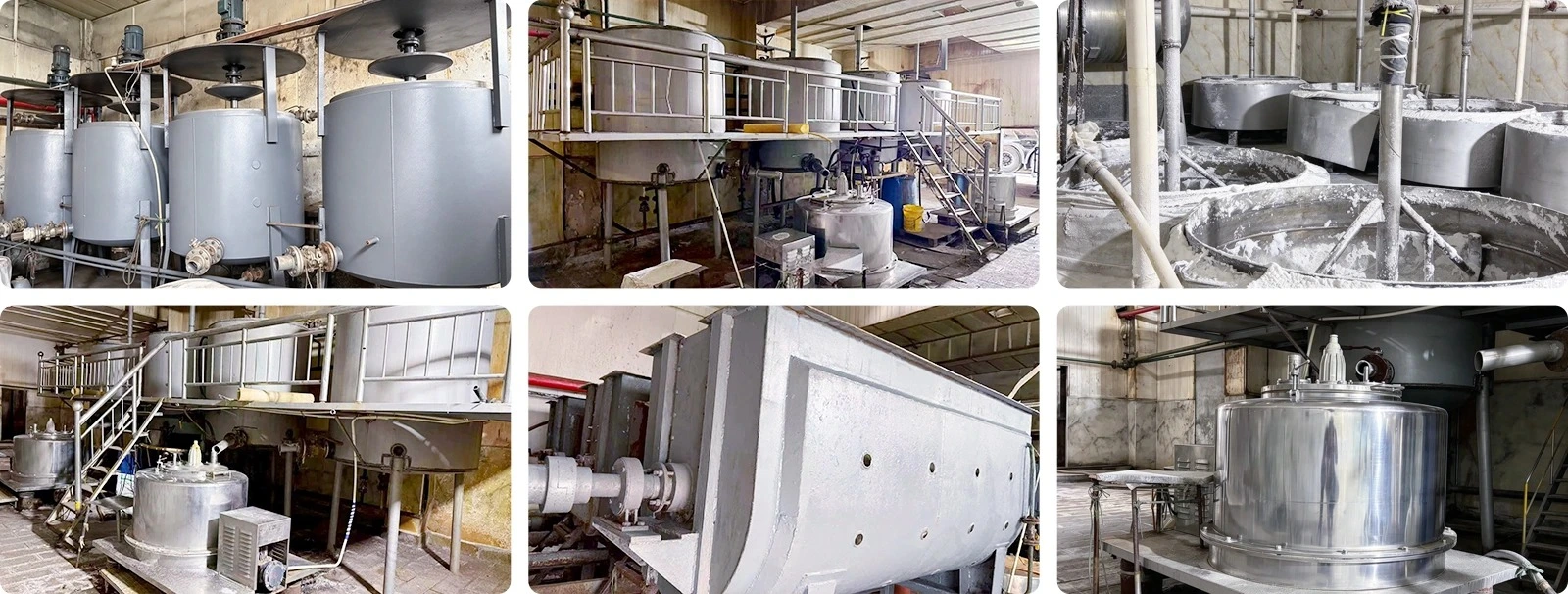
Production runs on a neutralization synthesis method that is proven. High-purity glacial acetic acid is one raw material. Sodium hydroxide or sodium carbonate is the other. Temperature stays under tight control. So does pressure, and so does the mixing ratio. Raw materials convert fully that way, and they come out as crude crystals that meet quality standards.
Crystallization takes place inside reaction vessels held at one steady temperature. Cooling speed is under our control, so it never changes. Standard trihydrate crystals then take shape. Particle size comes out even. Water content holds steady too. Over time, this lays the base for product performance that stays the same.
A centrifuge spins out any mother liquor left in the product. The material then goes through drying stages, each one held at a set temperature. Moisture level is kept under tight control. This keeps the trihydrate molecular structure whole. Dry it too much and water leaves the crystal, which changes how the product behaves.
Screening comes next, and that step clears out impurities as well. Particles that are too big are pulled out. So is any foreign material. All packaging work happens in a dry workshop held at a steady temperature. Moisture cannot get out that way. The product also cannot pull moisture back in from the air. No shipment leaves until the QC lab runs a full set of tests: composition, moisture, pH, and heavy metals. Every batch that goes out must be 100% qualified.
Why Choose Us
Three-Decade Legacy: Acetate product R&D and production have been our focus since 1988. We serve more than 30 countries and Sodium Acetate Trihydrate Technical industrial sectors around the world. That much time in the field is what lets us give customers technical support aimed at their own setup. It is also why product quality stays so steady.
Large-Scale Capacity: With an annual output of 150,000 tons, we flexibly meet orders of different magnitudes from single pallet trial orders to long-term container bulk orders. Standard products support flexible order quantities without strict minimum order restrictions.
Global Distribution Network: Shipping partnerships built up over the years are stable and long term. From that comes fast, on-time delivery to Europe, America, Asia, and other major markets. Our professional team handles every export document and compliance step. Customers save time and money because of it.
Customer-Centric Service: A dedicated technical crew works with you one on one when you apply our products. Your processes can also be improved with their help. Questions from customers get an answer inside 24 hours. Special jobs come with flexible plans built around what you actually need.
Competitive Pricing: We are a direct manufacturer. Our ex-factory prices are clear, and there is no middleman markup. Customers who work with us over the long term can get exclusive bulk discounts and supply agreements made for them.
FAQ
Q: How long can this product be kept?
A: A1: Store it in a cool spot, inside a sealed, dry warehouse. Kept that way, the product meets all technical specs for 24 months. A bit of caking can happen when humidity is high. The core chemical performance does not change, even then.
Q: Can this technical grade be used for food-related production?
A: A2: No. This technical grade is meant for industrial uses only. For food processing, ask our team about food-grade products. Those meet FCC certification standards.
Q: What storage temperature keeps product quality safe?
A: A3: Keep the product under 30°C. Do that and the crystal water stays put. Low temperatures in a freezer are harmless. What causes trouble is freezing and thawing it again and again. The packaging takes the damage.
Q: What is your minimum order quantity?
A: A4: The smallest order we accept is 1 ton. Large batches get a lower unit price and cheaper freight options. That brings down your total cost of buying.
Q: Is this item considered hazardous goods? Does it need special handling?
A: A5: When we ship it worldwide, it counts as non-hazardous chemical goods. You only need the usual chemical protection steps. Never swallow it. Also, don't let it touch your skin for a long time.
Request a Quote
Send your full purchasing details for Sodium Acetate Trihydrate Technical to sxzy@sxzhaoyi.com. We will reply with a formal customized quote within 24 hours.

USER EVALUATE
Here is the customer's evaluation of us