



Sodium Acetate Food Preservative
CAS NO.: 6131-90-4
Molecular Formula: CH₃COONa·3H₂O
Molecular Weight: 136.08 g/mol
Character: Colorless transparent crystals or white crystalline material. It is readily soluble in water and has a mild salty and vinegar-like taste.
Grade: Food Grade
Usage: Used where permitted as an acidity regulator, pH buffer, flavoring ingredient, and preservative-support agent. It is commonly applied in seasonings, sauces, bakery products, snack foods, and processed foods. The dosage must comply with the food regulations of the destination market.
Package: 25 kg food-grade paper bag or plastic woven bag with an inner food-contact polyethylene liner.
Storage: Store in a clean, dry, cool, odor-free, and well-ventilated warehouse. Protect from moisture, contamination, toxic substances, and strong-smelling materials.
- Product Description
High-Purity Sodium Acetate Food Preservative for Clean Label Applications – Industrial-Grade pH Control Solution
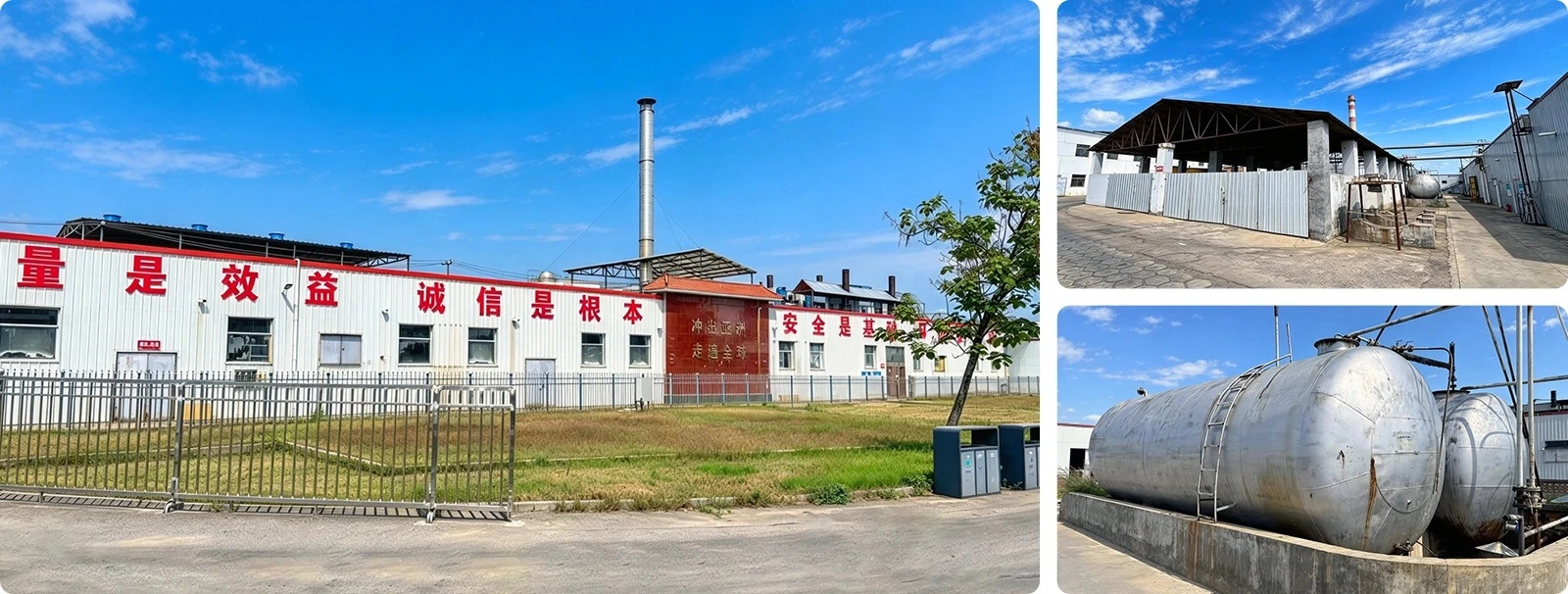
Shanxi Zhaoyi Chemical Co., Ltd. has made food additives for many years. Our production site dates back to 1988. It covers 27,000 ㎡ and holds ISO certification. Every year, 150,000 tons of acetate leave our plant. That number stays the same. Sodium Acetate Food Preservative is one of our main items. It comes as a trihydrate crystal. The CAS number is 6131-90-4, and the molecular weight is 136.08 g/mol.
Purity comes in at 99.5%. The compound acts as an acidity regulator and gives preservatives a boost. pH stays steady too, even when storage conditions change. More than 40 countries buy our goods. KOSHER and HALAL certificates stand behind them. Commercial baking relies on it. Sauce makers use it, and meat processors do too.
Key Features & Benefits
Our this product differs from the additives most plants rely on. It suits clean label formulas. Two jobs get done at once, and the compound holds up well. Food makers save on cost and end up with better quality:
- Fits Clean Label Recipes: This product can fully replace artificial preservatives in clean label food formulas. Deli products and vacuum-packed meat get strong antibacterial cover. Makers can then serve the clean food market. They also avoid the synthetic ingredients they don't want.
- One Ingredient Does Two Jobs, So Costs Go Down: It keeps pH from moving and stops microbes by itself. Most recipes call for several chemical additives. Those add expense. Use this one instead, and a client can cut total ingredient spending by 18–25%. The final product still holds up and stays the same.
- Stands Up to Heat During Thermal Processing: Common acetate products fall apart here. Our crystal structure is built to take processing heat up to 120°C. When used in baked goods, it blocks rope spoilage from Bacillus spores. Yeast fermentation keeps working like it always does.
- Works With Neutral & Mild Flavors: Its taste runs a bit salty and has a vinegar-like edge. That means it fits many savory recipes with no problem. Sauces and finished dishes keep the flavor they started with. You will not get the metallic note potassium sorbate can leave. A sharp sour bite from citric acid is not there either.
Technical Specifications
All technical indicators of our food-grade sodium acetate are strictly tested in accordance with industry-standard methods, with stable and reliable parameters suitable for industrial mass production. The detailed specifications are listed in the table below:
Parameter | Specification | Test Method |
|---|---|---|
Appearance | Colorless transparent crystals / White crystalline powder | Visual inspection |
Purity (as CH₃COONa·3H₂O) | ≥99.0% | Titration |
pH Value (5% solution) | 7.5–9.2 | pH meter |
Water Insoluble Matter | ≤0.05% | Filtration |
Heavy Metals (as Pb) | ≤5 ppm | ICP-MS |
Arsenic (As) | ≤1 ppm | AFS |
Loss on Drying | 36.0–40.0% | Gravimetric |
Shelf Life | 24 months | Stability testing |
How It Works
This high-efficiency food preservative and pH regulator keeps food quality steady and stretches shelf life. Three core working mechanisms do the job. They hold up in many food processing and storage environments:
Targeted Microbial Inhibition: The buffer keeps pH in the 5.8 to 6.2 range. Water activity in the food system drops as well. Germs like Listeria monocytogenes and Clostridium botulinum can't grow under those conditions. That is what makes the preservation safe. You don't need a heavy salt load.
Synergistic Preservation with Hurdle Technology: Pair it with lactate substances. The count of harmful germs falls by three orders of magnitude. Cell membranes of microbes get damaged by acetate ions. Bacteria then stop multiplying. Refrigerated items stay good for more than 90 days.
Temperature-Adaptive pH Buffering: The upgraded trihydrate formula holds pH steady. Temperatures can swing between 4 and 40°C and it still holds. Convenience meals often travel long distances and sit at different temperatures. Emulsion stratification and flavor loss never get a chance to start.
Applications
With clean label attributes, high-temperature resistance and flavor neutrality, our product is widely used in multiple mainstream food processing fields, bringing stable quality and shelf life improvement for end products:
Processed Meat & Poultry Products: Extend the shelf life of pre-cooked ham, sausages and other meat products by 40-60 days. It effectively inhibits oxidative "warmed-over flavor" in vacuum packaging, while helping manufacturers achieve sodium reduction targets.
Commercial Bakery Products: Rope spoilage hits moist bread and tortillas a lot. This product stops it. The product itself does not ferment. The dough still ferments, and the rise is not affected. Mold does not grow on the baked goods, and shelf life holds steady at 21 days.
Sauces & Condiments: Mayonnaise works with it. Salad dressing and tomato sauce do too. The emulsion does not break. Color keeps its brightness as well. At normal temperature, quality holds for 18 months. You never need a fridge.
Snack Food Coatings & Seasonings: In potato chips and in seasonings for extruded snacks, it can serve as a functional ingredient. A mild tang comes through in the taste. Aspergillus growth gets held back as well. What comes out is snacks with steady, qualified quality.
Sodium Acetate Food Preservative vs Other Preservatives
Compared with traditional common food preservatives, our Sodium Acetate Food Preservative has obvious advantages in temperature resistance, compatibility, clean label qualification and cost performance, making it more suitable for modern high-standard food production:
Feature | Sodium Acetate | Potassium Sorbate | Sodium Benzoate | Calcium Propionate |
|---|---|---|---|---|
pH Range Effectiveness | 5.5-9.0 | 4.0-6.5 | 2.5-4.0 | 5.0-6.0 |
Heat Stability (°C) | Up to 120 | Decomposes >80 | Stable to 100 | Stable to 110 |
Yeast Compatibility | Non-inhibitory | Inhibits at >0.1% | Neutral | Interferes >0.3% |
Clean Label Status | Yes | Synthetic perception | Allergen concerns | Yes |
Cost per Kg (USD) | $1.20-1.80 | $3.50-4.20 | $2.10-2.60 | $1.40-2.00 |
Water Activity Control | Strong | Moderate | Weak | Moderate |
Certifications & Compliance
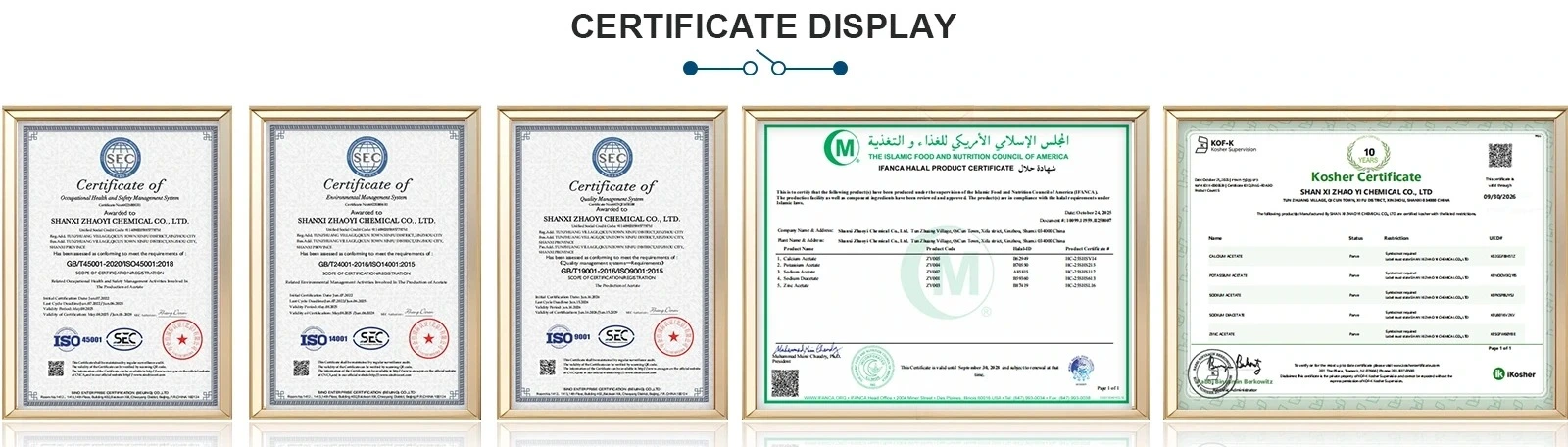
Certificates for the whole system: Our plant holds real KOSHER and HALAL religious certificates, and these cover what international markets ask for. We also have recognized certificates, such as ISO 9001:2015 for quality management and ISO 22000 for food safety management.
Following rules worldwide: The product meets a number of international food safety rules. China's GB 1886.28-2016 national standard is one of them. So is the EU EC 1333/2008 food additive regulation (E262). Under US rules, it holds FDA 21 CFR 184.1721 (GRAS status).
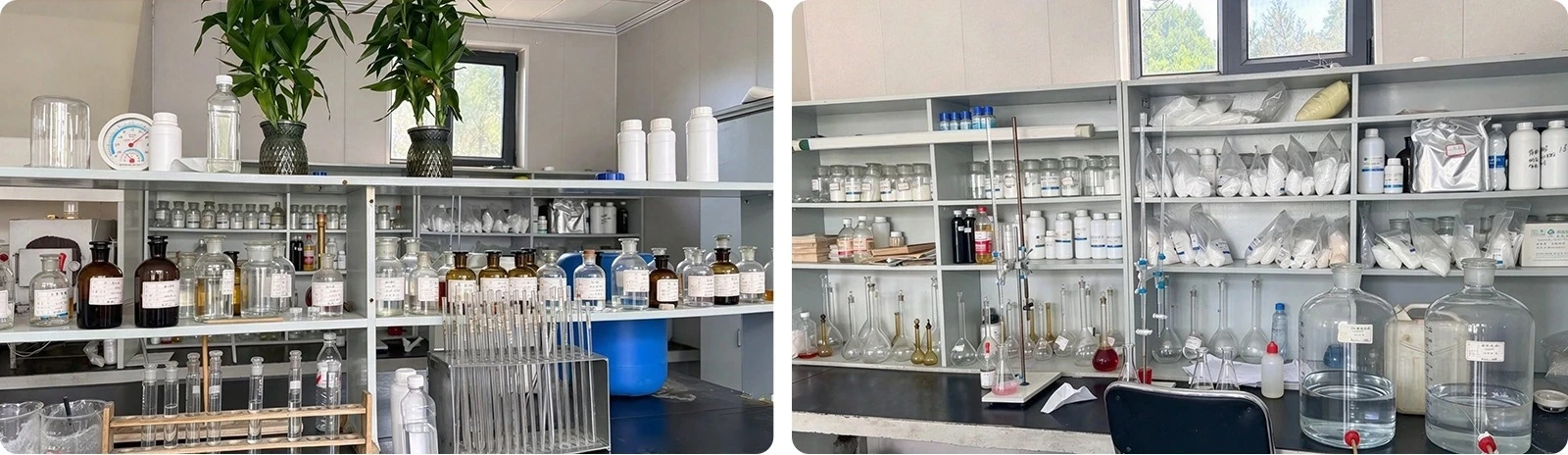
Testing on every batch: Each batch we make goes through expert third-party testing. That way we can be sure it fully matches international food production standards. The checks cover purity, heavy metal content and microbial safety.
Packaging Options
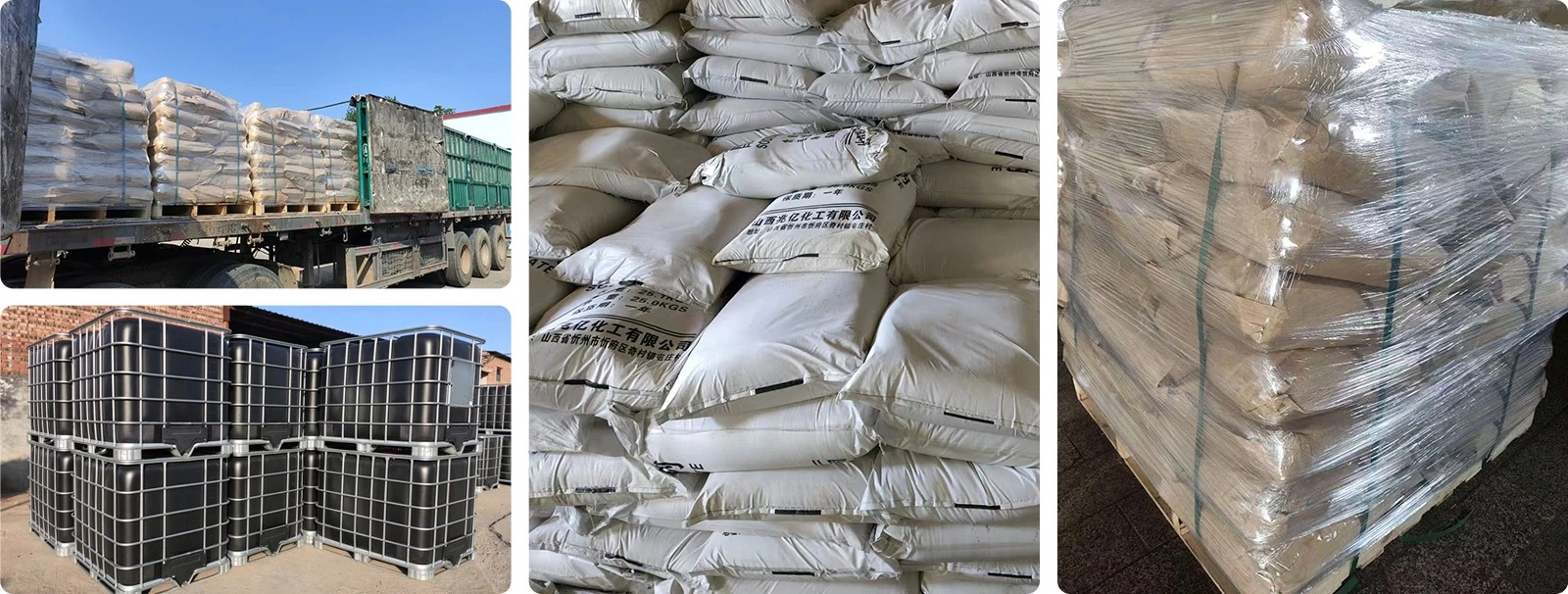
We provide diversified graded packaging solutions for different production scales, with all packaging materials meeting food contact safety standards to ensure product storage stability and transportation safety:
Standard Industrial Pack: The product goes into 25kg food-grade kraft paper bags. Inside each bag, a PE liner is heat-sealed. Leave those bags sealed for 12 months and moisture uptake stays below 0.5%. Damp gets held back by that moisture-proof barrier. This pack works well for standard industrial runs.
Bulk Container Solutions: 500kg jumbo bags, and their inner liners hold FDA certification. These are made for food processing factories that run at high volume. Packaging waste goes down by 70%, and secondary pollution during material handling is avoided.
Custom Private Label Packaging: We do personalized packaging too. Small retail packs start at 1kg. Bigger formats reach 1000kg IBC ton containers. Your logo and specs can be added to them. Packs made this way fit automated production and filling lines.
Manufacturing Process
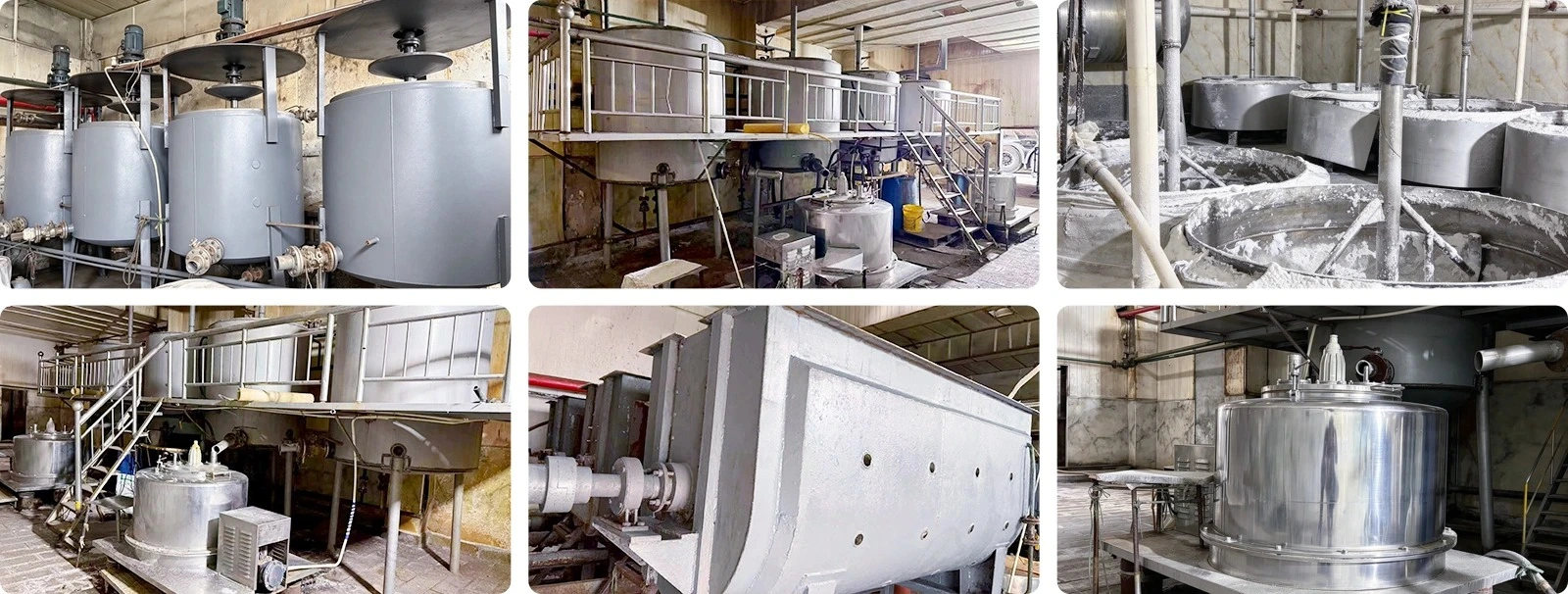
Closed-loop production technology runs at our plant. That process keeps getting better as we go. Checks start with raw material screening and carry on until the finished product ships. Every batch leaves pure. Its performance stays steady too:
Strict Raw Material Screening: For raw materials, we start with glacial acetic acid at 99.8% purity. The sodium hydroxide we buy is pharmaceutical-grade. Spectral testing and verification happen on every batch that comes in, before production starts.
Precision Constant-Temperature Crystallization: Inside a tank, the reaction holds a steady 60-65°C. That is what keeps crystal particles even and stable. Three-stage centrifugation takes out leftover impurities. Purity stays above 99.5%.
Full Batch Quality Inspection: Every finished batch goes through 17 professional inspection elements. Microbial safety testing is one of them. Others include dissolving rate and particle size distribution. Each shipment ships with a traceable CoA certificate.
Why Choose Us
36 Years of Professional Manufacturing Experience: Our company started in 1988. Since then, acetate products have been our focus, in R&D and production both. More than 2,400 food producers around the world rely on our production technology. It is dependable and advanced.
Vertical Integration & Stable Supply: Yearly output capacity hits 150,000 tons. Our own upstream raw materials mean supply swings do not slow us down. Thanks to that, we hold a 98% on-time delivery record.
Expert Custom Technical Support: Our food R&D team has deep knowledge in this area. Send us your product details, and in under 48 hours we will put together a fresh-keeping plan for it. Formula consulting is included too, all under one roof, from setting pH value to telling you the right dose.
Flexible Order MOQ Policy: Clients can run R&D tests without carrying more stock than they need. We do that by working with Sodium Acetate Food Preservative and flexible order modes. These start at 500 kg for a small trial batch and go up to large-volume container shipments.
FAQ
Q: We have sorted out 6 high-frequency professional questions for global B-end food processing customers, with concise and industry-targeted answers for your reference:
Q: For meat product production, what dosage of this product do you recommend?
A: A1: Most people add 0.1-0.5% of the total food weight. That number changes based on the pH you want and the shelf life you need. In ready-to-eat meat, if you add 1.5-2.5% lactate too, it does a much better job against Listeria.
Q: What does sodium acetate do to the texture of baked goods?
A: A2: No clear downside has turned up. The water balance in the dough stays steady, thanks to the anhydrous equivalent content in our product. Outside labs ran their own tests. Add 0.4% or less, measured against flour weight, and the crumb structure holds. The taste holds too.
Q: Can it take vinegar's place from start to finish when you pickle?
A: A3: When you need to control pH and keep things from spoiling, it can handle part of what vinegar does. Liquid dosage drops by 60% that way. What it can't do is mimic the volatile aroma that acetic acid releases. So if flavor matters most in your pickled goods, don't replace all the vinegar.
Q: What's the upper limit for use in markets around the world?
A: A4: Most food categories in the EU sit under quantum satis rules. The FDA lists it as GRAS, and GMP sets the usage amount. China's GB 2760 puts the dose at 1.0-3.0g/kg. Check the rules where you are before you use it.
Q: How should the product be stored once the package is open?
A: A5: Seal the pack tight after you open it. Use heat sealing, or put it in an airtight container right away. Keep it in a dry place. The temperature must stay below 25°C, and the relative humidity below 65%. Use it up within 60 days. That stops crystal caking and keeps performance from dropping.
Q: Can you provide customized formula guidance and batch test reports?
A: A6: Yes. We provide exclusive formula optimization guidance according to customer product types, and each batch is equipped with official CoA test reports to support factory audits and customs clearance.
Request a Quote
If you are in need of high-stability, clean-label Sodium Acetate Food Preservative for your industrial food production, feel free to contact our professional export team via email at sxzy@sxzhaoyi.com.

USER EVALUATE
Here is the customer's evaluation of us