



Reagent Grade Sodium Acetate Trihydrate
CAS NO.: 6131-90-4
Molecular Formula: CH₃COONa·3H₂O
Molecular Weight: 136.08 g/mol
Character: Colorless crystals or white crystalline powder with high purity and good water solubility. It is hygroscopic, and its aqueous solution is mildly alkaline.
Grade: Reagent Grade
Usage: Mainly used for preparing buffer solutions, pH adjustment, analytical testing, biochemical experiments, chemical synthesis, laboratory teaching, and scientific research.
Package: 500 g, 1 kg, 5 kg, 25 kg, or customized laboratory packaging.
Storage: Keep tightly sealed in a dry, cool, and well-ventilated place. Protect from moisture, contamination, strong acids, and strong oxidizing agents.
- Product Description
Reagent Grade Sodium Acetate Trihydrate – High-Purity Laboratory Chemical for Analytical & Research Applications
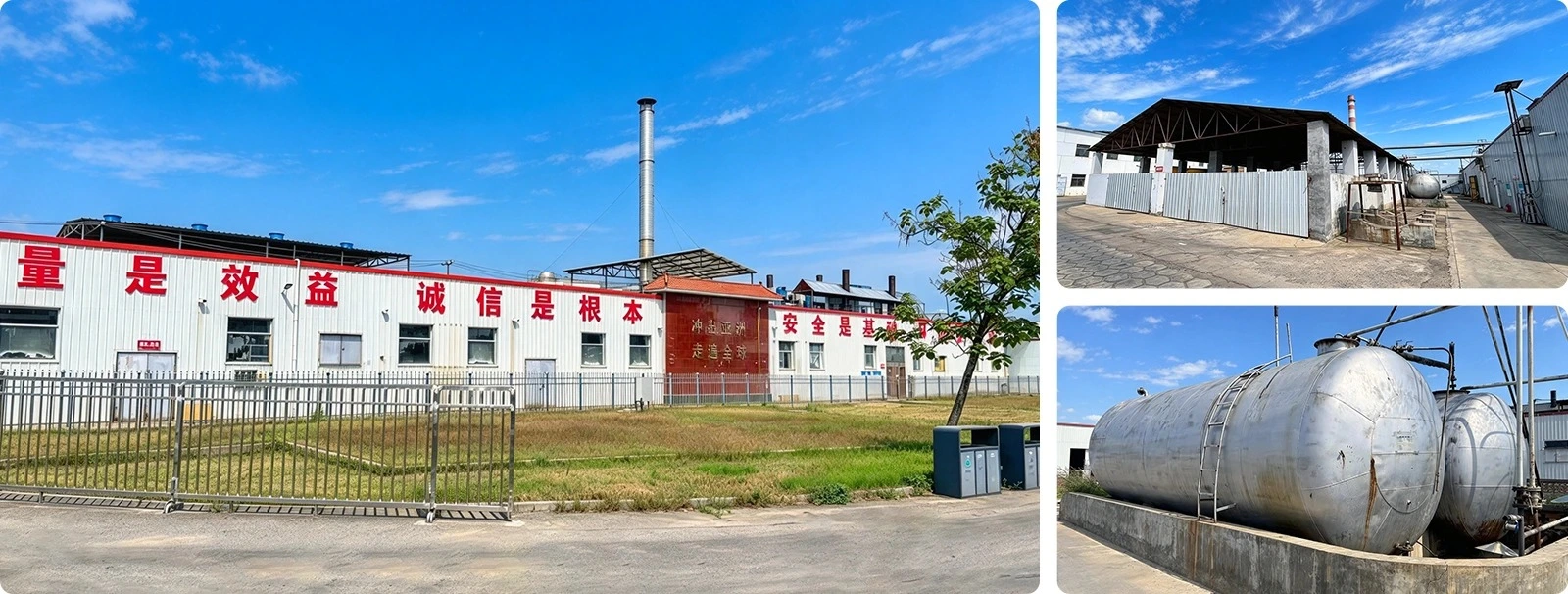
Laboratory chemicals from SHANXI ZHAOYI CHEMICAL CO., LTD have earned buyer trust. Its Reagent Grade Sodium Acetate Trihydrate (CAS 6131-90-4) goes out to analytical and research labs worldwide. Output holds at 150,000 tons a year. Factory space adds up to 27,000 square meters. Big orders or small lab batches, both are fine with us.
Trace impurities are held to tight limits. Iron sits at ≤0.0003%. Heavy metals top out at ≤0.0005%. A ≤0.005% ceiling applies to chloride. Purity for this reagent-grade product runs 99–100%. Buffer solution making gets steady, dependable results from it. Precise pH correction is another job it does. It also handles exact analytical testing well. More than 35 years of acetate production experience sits behind our work. Our products carry ISO, KOSHER, and HALAL certifications. Customers around the world get steady, dependable quality because of that.
Key Features & Benefits
Our this product fits lab and research work. Purity is high. It dissolves with ease. Chemical properties stay stable. Those traits bring real benefits to scientific experiments and analytical testing:
- Strict High-Purity Standards: Impurity readings stay ultra low, and CH₃COONa·3H₂O works at a concentration of 99–100%. Reagent-grade rules are the same everywhere in the world, and this material satisfies every one of them. Two numbers get it there. Free alkali sits below 0.12%, and arsenic sits below 0.0001%.
- Water Solubility: It ships as a white crystalline powder that looks the same all the way through. Put it in water and it breaks down fast, with nothing left sitting at the bottom. The liquid you end up with is slightly alkaline. Buffer systems soak it up evenly, so bits that never dissolved will not throw an experiment off.
- Stable Hygroscopic Performance: Moisture does get pulled out of the air by this product. That is just how it acts. Seal it and store it under normal conditions, though, and the structure holds for the whole shelf life. Chemical behavior stays steady. Molecular weight does not move from 136.08 g/mol, so results from experiments stay dependable.
- Works in Many Settings: labs and research institutes put it to work in plenty of different ways. Take biochemical studies. Organic chemical synthesis is another one. The same goes for exact pH control and for making buffers. Teaching demos are on that list as well.

Technical Specifications
All technical indicators of our reagent-grade products are strictly calibrated to meet global laboratory analytical standards, with detailed parameters shown in the table below:
Parameter | Specification |
|---|---|
Chemical Formula | CH₃COONa·3H₂O |
CAS Number | 6131-90-4 |
Content (Purity) | 99-100% |
Molecular Weight | 136.08 g/mol |
Free Alkali | ≤0.12% |
Chloride (Cl) | ≤0.005% |
Iron (Fe) | ≤0.0003% |
Heavy Metals (as Pb) | ≤0.0005% |
Arsenic (As) | ≤0.0001% |
Potassium (K) | ≤0.01% |
Appearance | Colorless crystals/white crystalline powder |
Water Solubility | Highly soluble |

How It Works
You get this trihydrate salt at a high purity. Its action comes from chemical dissociation and buffering. That is where the steady, controllable bench results come from. Plenty of lab research and testing setups can put it to use:
pH Buffering Stabilization: Once it dissolves in water, it behaves as a weak base. The acetate ions that break free act as conjugate bases. Those ions soak up the extra protons sitting in the solution. Put acetic acid in, and a steady acetate buffer system forms. With that system in place, you can set the pH of the solution with precision.
Accurate Molecular Calibration: Inside the trihydrate crystal, the water content never changes. The crystal also keeps its shape. So the molecular weight is simple to work out, and the figure you get is right. Your numbers will not drift when the structure shifts. That is what makes the material hold up in calibration work where precision has to be tight.
Biochemical Environment Regulation: In biochemical work, this reagent keeps the ionic strength of a solution steady. The pH also stays in the range enzymes need to work. Dissociation happens the same way every time. Repeat runs of an experiment line up much better because of that.
Applications
Our reagent-grade sodium acetate trihydrate, Reagent Grade Sodium Acetate Trihydrate, has very few impurities. Its chemical properties stay the same. Many labs and scientific research fields rely on it for high-precision work:
Laboratory Research: One job it handles is making acetate buffer solutions for protein research. Chromatography and electrophoresis prep work are others. You can also use it to adjust the pH of cell culture medium and microbiological experiment systems.
Analytical Testing: Titration analysis is one common task. Everyday chemical tests count too. So do quality control checks done in the lab. When you need to standardize an experiment or verify data, it works as the standard high-purity reagent.
Chemical Synthesis: Organic synthesis is one area where it works as a core reagent that hands over acetate. Many chemical transformation reactions involve it. So does the making of intermediate products.
Educational Laboratory Use: Universities and institutions put it to work in their teaching labs. Class experiments with it cover acid-base neutralization, buffer systems and crystal formation. It runs safely and stays stable.
Reagent Grade Sodium Acetate Trihydrate vs Other Products
Compared with industrial grade and food grade products, our reagent-grade chemicals feature stricter impurity control and more stable quality, fully meeting high-standard laboratory experimental requirements:
Feature | Reagent Grade | Industrial Grade | Food Grade |
|---|---|---|---|
Purity | 99-100% | 58-60% | 99% min |
Chloride Content | ≤0.005% | ≤0.2% | ≤0.01% |
Heavy Metals | ≤0.0005% | ≤0.002% | ≤0.001% |
Iron Content | ≤0.0003% | ≤0.001% | ≤0.0005% |
Primary Use | Lab/Research | De-icing/Wastewater | Food Processing |
Quality Control | Strictest | Standard | Enhanced |
Certifications & Compliance
Official System Certification: Our production facility is certified with ISO quality management system, implementing full-process standardized quality control to ensure batch stability of reagent-grade products.
Multi-Industry Qualification: Our KOSHER and HALAL certifications are valid and in force. Thanks to them, our products clear the quality access standards that global high-end laboratories and special markets require.
Authoritative Testing Support: Any product we make can go to outside labs for testing. SGS, Intertek and other well-known bodies do that work. Every batch ships with a full COA certificate. That paper proves the goods meet reagent-grade specs.

Packaging Options
We provide diversified graded packaging solutions for different laboratory usage volumes and scenarios, all with moisture-proof and pollution-proof design:
Conventional Lab Packaging: Sealed bottles hold 500g or 1kg. A gasket inside keeps moisture out. For daily routine testing, these fit best. Small-scale experimental research in labs also works with them.
Medium-Volume Packaging: This option uses 5kg dedicated containers. Research institutions with moderate and frequent reagent consumption get the most out of them. Cost and storage convenience stay in balance.
High-Volume Bulk Packaging: 25kg industrial drums, applicable for large-scale research projects and institutional high-consumption scenarios.
Customized Service: We support personalized packaging configuration according to clients’ special experimental and storage requirements.
Manufacturing Process
Reagent-grade standards shape the way we produce Reagent Grade Sodium Acetate Trihydrate and purify the product. Each step stays under close control. That is how the impurities come out:
High-Grade Raw Material Selection: We start with acetic acid and sodium carbonate of high purity. Purity gets controlled right at the source. Fewer impurities then reach the batch.
Precision Reaction Control: The temperature stays steady, and we use measured amounts in the reaction. Raw materials then convert all the way, and the early product mix holds stable.
Multi-Stage Purification & Crystallization: We recrystallize the material several times. After that it runs through high precision filters. Out come particle impurities and insoluble substances. Left behind is material that meets reagent grade purity standards.
Constant Temperature Drying & Shaping: Low temperature drying runs under control the whole way. That locks the moisture content in place with precision. The stable trihydrate crystal structure stays fully intact.
Batch-by-Batch Testing: Conduct full-index quality inspection for each batch of products before delivery to ensure all indicators meet standard requirements.
Why Choose Us
Decades of Professional Experience: We have focused on acetate product R&D and production since 1988, with mature production technology and rich industry experience to support reagent production.
Stable Large-Scale Supply: 150,000 tons annual output capacity ensures continuous and stable product supply, with stable pricing and no stockout delay for any order size.
Global Market Service: Our products are exported to China, Europe, America, Asia and other global regions, with mature logistics and document service system to meet international trade standards.
Professional After-Sales Support: Everything in our service begins with the customer. Technical questions get answered fast. Help after the sale works the same way. We stay with our partners over the long term, and we treat them honestly.
FAQ
Q: How long does your this product last on the shelf?
A: A1: Sealed properly and kept in a dry place, the product holds its performance. No moisture gets in, so nothing degrades. Its specs stay complete for over 24 months.
Q: Can I use this reagent grade product for pharmaceutical research?
A: A2: Yes. This high-purity reagent grade product fully meets the quality requirements for pharmaceutical analytical testing and formulation development research, suitable for pharmaceutical laboratory research scenarios.
Q: Do you support customized packaging for special laboratory needs?
A: A3: Custom packaging services are available. We can formulate exclusive packaging schemes according to the storage and experimental usage needs of research institutions and laboratories.
Q: What official documents can you provide for each order?
A: A4: Every shipment is equipped with complete official documents including Certificate of Analysis (COA) and Material Safety Data Sheet (MSDS), as well as relevant compliance certification files to support client inspection and customs clearance.
Q: What are the main storage precautions for this product?
A: A5: The product is slightly hygroscopic. It must be stored in sealed containers, kept away from humid environment and high temperature to avoid moisture absorption and caking, so as to retain stable experimental performance.
Q: Can you provide free samples for experimental verification?
A: A6: Yes. We can provide free product samples for clients to conduct laboratory compatibility testing and performance verification before bulk procurement.
Request a Quote
Please feel free to contact our professional Reagent Grade Sodium Acetate Trihydrate sales team via email at sxzy@sxzhaoyi.com.

USER EVALUATE
Here is the customer's evaluation of us