



acetate de sodium trihydrate
CAS NO.: 6131-90-4
Molecular Formula: CH₃COONa·3H₂O
Molecular Weight: 136.08
Character: Colorless or white transparent crystals. It is readily soluble in water and slightly soluble in alcohol. It has hygroscopic properties, a specific gravity of approximately 1.45, and a melting point of approximately 58°C.
Usage: It is widely used as a buffering agent, pH regulator, textile dyeing auxiliary, electroplating additive, concrete additive, pharmaceutical intermediate, laboratory reagent, and wastewater treatment chemical.
Package: 25 kg plastic woven bag with inner polyethylene liner or 1000 kg ton bag.
Storage: It should be stored in a dry and well-ventilated warehouse. Keep away from heat, moisture, strong oxidizing agents, and poisonous substances. Handle carefully during transportation to prevent package damage.
- Product Description
Premium Acetate de Sodium Trihydrate – Industrial Grade Buffering Agent & Chemical Intermediate Solution
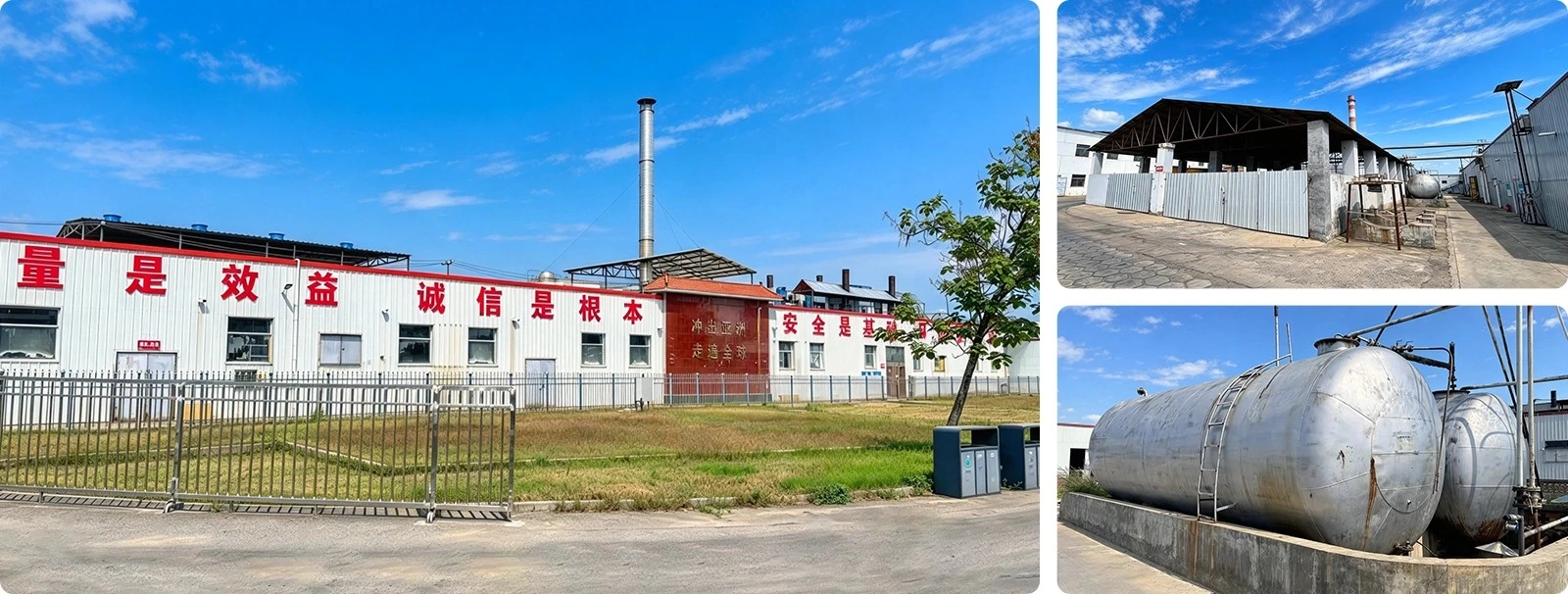
Shanxi Zhaoyi Chemical Co., Ltd. makes high-purity acetate chemicals. Over 35 years we have focused on acetate de sodium trihydrate, starting out in 1988. Our production base covers 27,000 ㎡. It runs to a standard, and yearly output stays at 150,000 tons. A colorless crystalline industrial compound, that is what this product (CAS 6131-90-4, CH₃COONa·3H₂O) is. Its specific gravity is 1.45. Fixed at 58°C is the melting point, and water dissolves it well. Under ISO certified systems we produce it. KOSHER and HALAL certification also applies. Textile processing gets stable, reliable performance from it. Another use is wastewater treatment. Pharmaceutical synthesis is one more, along with other main uses. Long term clients in Europe have stayed with us. America and Asia send clients who do the same.
Key Features & Benefits
This product is made to bring real operating benefits to many kinds of industrial production. Its full trihydrate crystalline structure keeps pH buffering steady and reliable. That holds true from -20°C to 90°C. This helps plants control process parameters with precision. It also stops production swings that come from temperature changes.
Moisture gets taken up well by the product, which helps curing and even moisture pickup move faster in concrete construction. Purity reaches 99% or higher. Leftover buildup in electroplating tanks drops because of this. The same holds for textile dyeing equipment. Fewer maintenance stops happen, and production runs longer.
A standard molecular weight of 136.08 g/mol belongs to the product. Accurate stoichiometric dosing is possible because of it. Waste of raw materials goes down, and cost performance rises in large-scale chemical synthesis. Alcohol dissolves only a little of it, so mixed hybrid solvent systems work well with the product. Enterprises also pick up more production scenarios to apply it to.
Technical Specifications
Parameter | Specification |
|---|---|
CAS Number | 6131-90-4 |
Molecular Formula | CH₃COONa·3H₂O |
Molecular Weight | 136.08 g/mol |
Appearance | Colorless/white transparent crystals |
Purity | ≥99.0% |
Specific Gravity | ~1.45 |
Melting Point | ~58°C |
Water Solubility | Readily soluble |
pH (1% solution) | 8.0–9.5 |
Heavy Metals (Pb) | <2 mg/kg |
How It Works
Crystal structure holds firm in this product, thanks to the trihydrate form. As the material dissolves, hydration release can be managed. Each molecular unit carries three bound water molecules inside it. Once they reach water, those molecules create a steady pH buffering zone. Acid-base swings that arrive fast get pushed back. Conditions in industrial processes also stay level.
Wastewater treatment projects put active acetate ions to work as a carbon source that denitrifying microorganisms can absorb. Microbes break the acetate components all the way down. Nitrates that harm sewage turn into harmless nitrogen gas through biological reduction. Nutrients are taken out, and the water comes out cleaner.
Metal impurities in the dye bath get tied up by this product during textile dyeing. Alkalinity of the system also holds steady. Dye soaks into the fabric evenly. Color locks firmly onto the surface. Shades come out bright and even. The fibers stay undamaged.
Applications
Wastewater Treatment Plants: A biological carbon source is fed in at a high enough level. It serves systems that strip out nitrogen and phosphorus through biology. That raises the amount of pollutant removed. It also lets companies stay within their discharge limits over time.
Textile & Dyeing Industry: For reactive dyeing, it works as a leveling agent. It also holds the pH steady. Shade differences and patchy dyeing are no longer a problem. The finished cloth has even color and strong color fastness.
Electroplating Operations: In nickel and chromium plating baths, it serves as a strong complexing agent. It also shapes how the metal deposits. Parts end up brighter and flatter. Adhesion gets better too.
Concrete Additives: The cement hydration reaction gets a push, so it moves along faster. Cold-weather jobs suit it well, since the air sits at 5-10°C. Setting time drops by 20-30%. A crew gets more done in the same shift.
Pharmaceutical Synthesis: API production depends on it as a key intermediate. Lab teams also count on it as a standard buffering reagent. Both pharmaceutical synthesis work and analytical testing make use of it.
Product Comparison
Feature | Acetate de Sodium Trihydrate | Sodium Acetate Anhydrous | Calcium Propionate |
|---|---|---|---|
Molecular Formula | CH₃COONa·3H₂O | CH₃COONa | C₆H₁₀CaO₄ |
Water Content | 39.7% crystalline water | 0% | ~4% |
Solubility (20°C) | 46.5 g/100mL | 36.2 g/100mL | 55.8 g/100mL |
Buffering Range | pH 3.8-5.8 | pH 3.8-5.8 | pH 6.0-7.0 |
Storage Stability | Moderate hygroscopic | Highly hygroscopic | Low hygroscopic |
Primary Use | Buffering/dyeing | Hot-pack heaters | Food preservation |
Certifications & Compliance
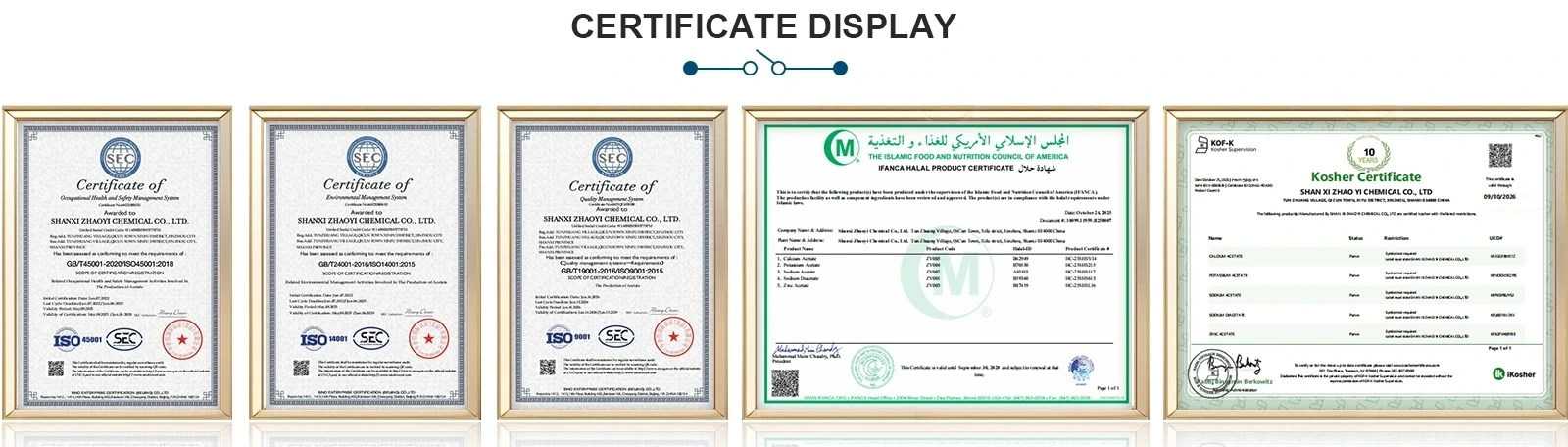
Our production base carries ISO 9001:2015 certification for quality management. Every run sits under standardized control, and each step can be traced. Valid KOSHER and HALAL certificates are on hand as well. Food-contact needs fall under them, and so do the compliance rules that special industries have to follow.
An official Certificate of Analysis (COA) goes out with each batch. Batch test data, in full, is part of that package. Our products meet EU REACH regulatory standards too. Specs on pharmaceutical-grade variants follow the FDA requirements that apply to them. Market access worldwide gets support from this, and customers get help with quality filing.
Packaging Options for acetate de sodium trihydrate
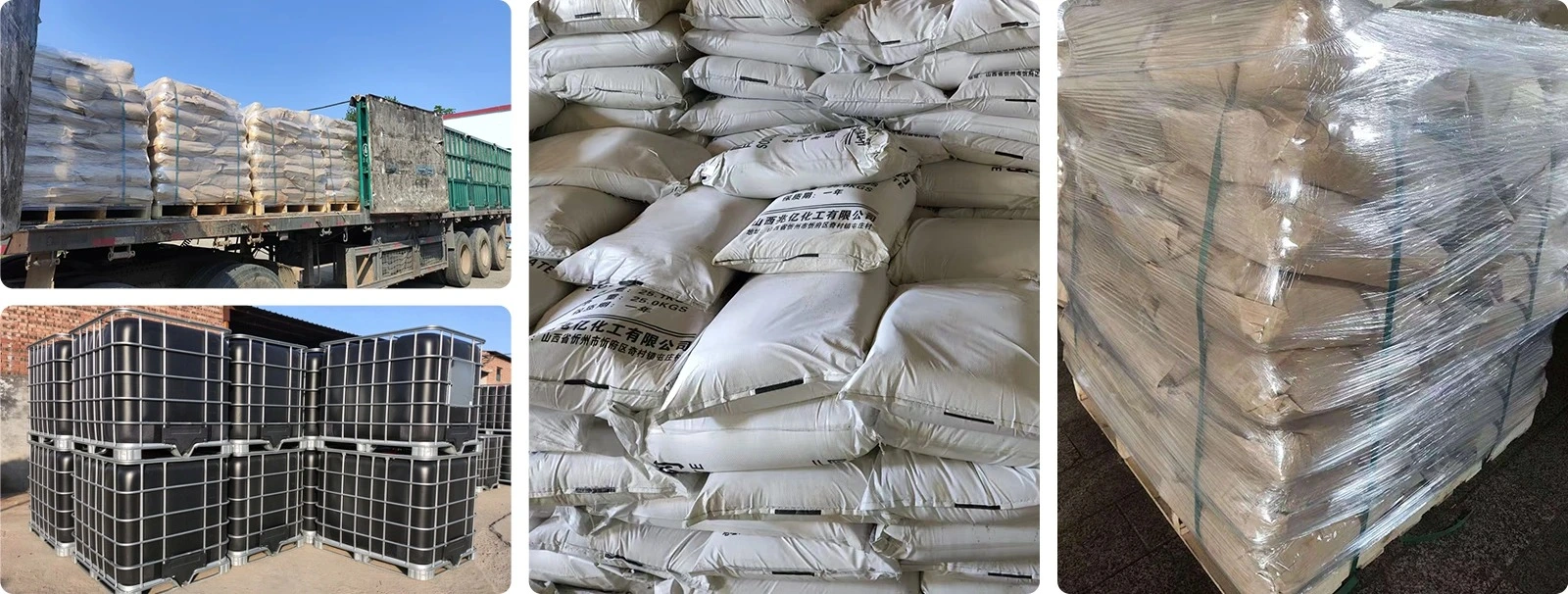
Standard Packaging: Our bags are 25kg plastic woven. Inside each one is a polyethylene liner that keeps moisture out. Outside damp gets blocked in transit and in sealed storage. That keeps the crystal structure of acetate de sodium trihydrate whole and product performance steady.
Bulk Packaging: Bulk orders ship in 1000kg anti-static coated FIBC jumbo bags. Automated feeding systems handle them well. For industrial manufacturers who buy in big volumes, costs for packaging and handling drop.
Special logistics and usage scenarios can get custom packaging from us. Every package comes with safety labels in several languages. Clear operation instructions are included too. That keeps shipments in line with international transportation standards.
Manufacturing Process
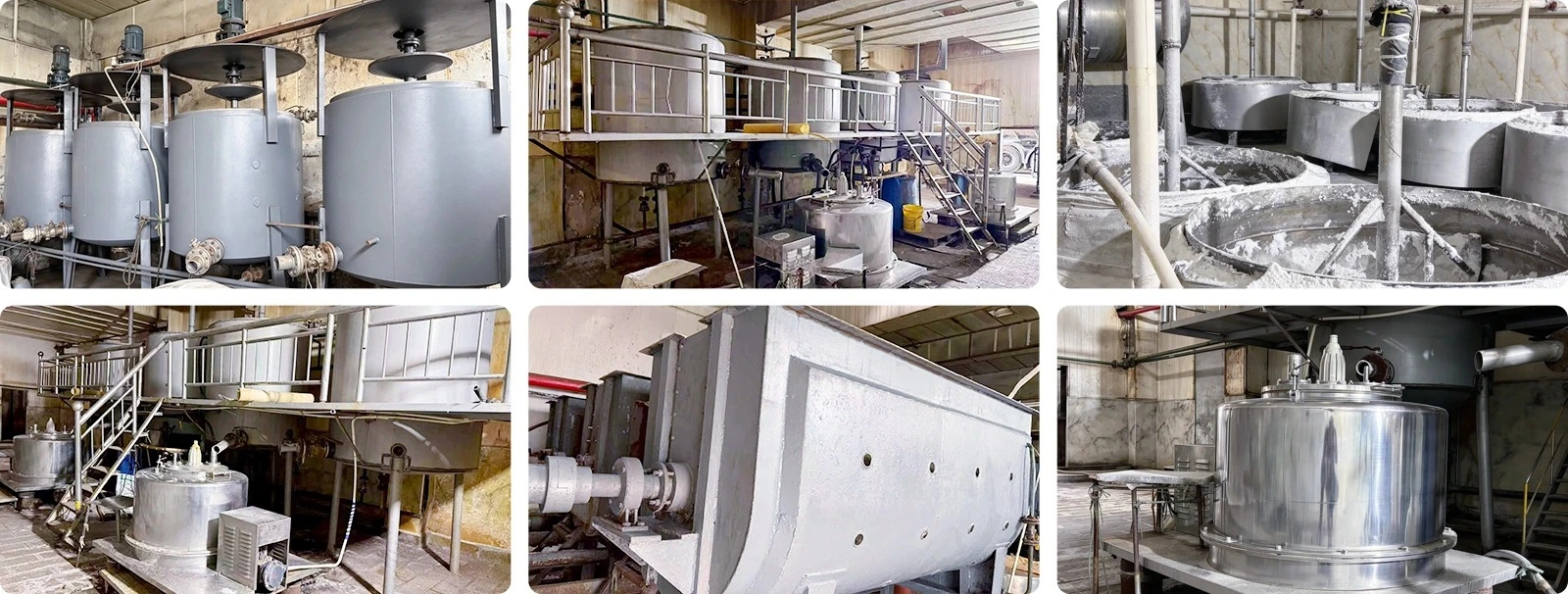
Our production technology has been around a long time and runs without trouble. High-purity glacial acetic acid and sodium carbonate act as the raw materials. A neutralization reaction takes place between them. The whole reaction happens inside a reactor where the temperature is controlled. It sits at 60-70°C. That is what keeps the reaction full and steady.
Cooling crystallization comes after that. Seed crystals go in under tight control, so every particle forms at the same size. Stirring speed is adjusted with care. Centrifugal separation then does its part. Three-stage cyclic washing follows. By that point, the leftover mother liquor and the tiny impurities are gone.
Fluidized bed dryers take care of the finished crystals. Inside them, the temperature holds steady at 40-50°C. The standard trihydrate structure stays intact that way. Automatic screening runs next, and then comes a check on particle size. Whatever passes moves to the packaging line by pneumatic conveyor. Every batch stays consistent as a result.
Why Choose Us
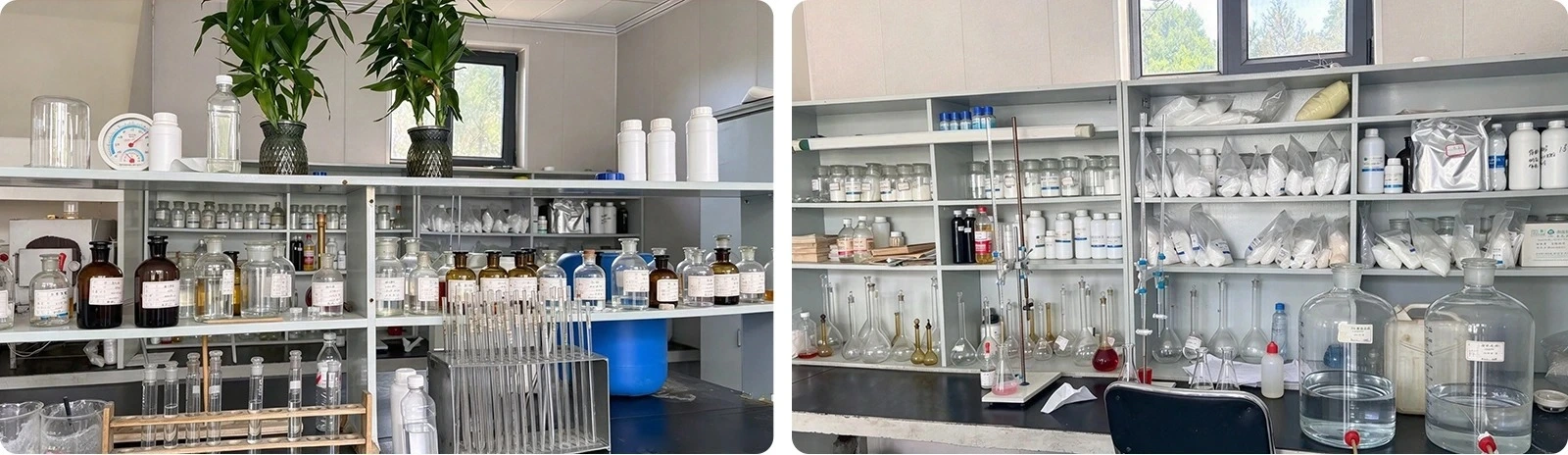
We boast 30+ years of professional acetate manufacturing experience, with a professional technical team of 60 members providing fast formula optimization and on-site technical troubleshooting support for global clients.
Our factory is located in Shanxi with geographical location and cost-effective logistics channels connecting major domestic ports. Dual production lines effectively avoid supply interruption caused by equipment maintenance and peak order surges, ensuring stable delivery.
We keep a 30-day reserve of mainstream specifications all year. Orders leave in 72 hours once payment clears. Tracking updates live. Delivery stays visible and quick.
FAQ
Q: When kept the usual way, how long does the product last?
A: A1: Leave it sealed in the original packaging. Store it below 30°C in a dry spot. Moisture must stay away from it, and so must oxidizing agents. Shelf life is 24 months.
Q: Can this trihydrate product take the place of anhydrous sodium acetate right away?
A: A2: Yes, it is replaceable in most scenarios. Please adjust the dosage by a 1.36x coefficient to offset the crystalline water content for accurate stoichiometric calculation.
Q: Is this product compliant with food-grade application standards?
A: A3: The standard industrial grade is suitable for conventional industrial scenarios. We provide customized food and pharmaceutical grade products with complete FCC certifications to meet high-standard application requirements.
Q: Why does the product cake up, and what can stop it?
A: A4: When the air sits above 60% RH for a long time, the product takes in moisture and cakes. Store it where humidity stays steady. Seal the packaging again right after you open it.
Q: Can this product be used with chlorine-based systems?
A: A5: It has moderate compatibility. Direct mixing with concentrated oxidizers should be avoided. We recommend conducting a small-scale compatibility test according to your actual application environment before formal use.
Request a Quote
Send your detailed acetate de sodium trihydrate procurement requirements to sxzy@sxzhaoyi.com. Within 12 working hours, a complete quotation comes back to you.

USER EVALUATE
Here is the customer's evaluation of us