



Sodium Acetate Anhydrous for Food Processing
CAS NO.: 127-09-3
Molecular Formula: CH₃COONa
Molecular Weight: 82.03 g/mol
Character: White crystalline powder or granules with good water solubility. It has a mild saline and vinegar-like taste and is hygroscopic.
Usage: Used in food processing where permitted as an acidity regulator, pH buffer, flavor enhancer, preservative-support ingredient, and processing aid. It can be applied in seasonings, sauces, snack foods, bakery products, and processed meat products according to local food regulations.
Package: 25 kg food-grade paper bag or plastic woven bag with an inner polyethylene liner. Customized packaging is available.
Storage: Keep in a tightly sealed package in a clean, cool, dry, and well-ventilated warehouse. Protect from moisture, contamination, toxic chemicals, and strong-smelling materials.
- Product Description
Premium Sodium Acetate Anhydrous for Food Processing | High-Purity pH Buffer & Flavor Enhancement Solution
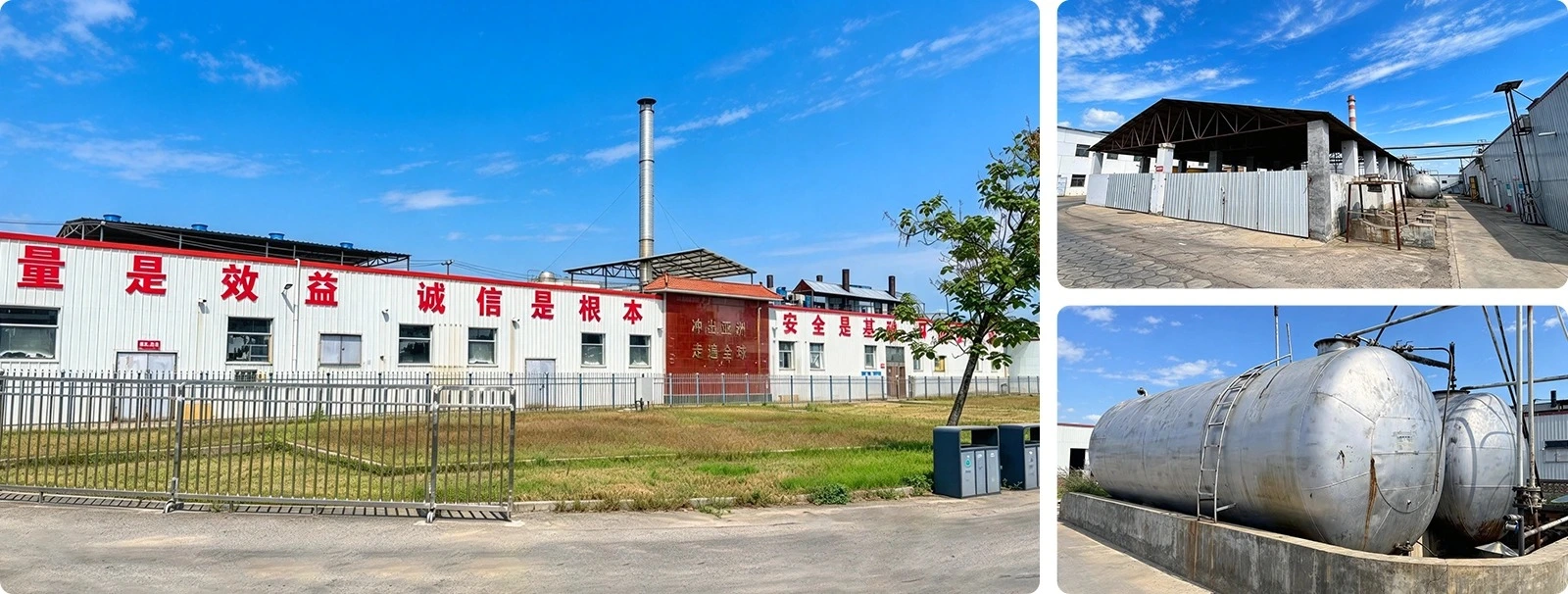
Shanxi Zhaoyi Chemical Co., Ltd. is a maker of food-grade acetate additives that buyers can depend on. We started out in 1988. Our standardized production base covers 27,000 ㎡, and yearly output holds steady at 150,000 tons of acetate series products. Global food processors get bulk supply from us, year after year. Our Sodium Acetate Anhydrous for Food Processing is made to strict food-grade standards. Purity hits 99% minimum and moisture is held under 0.5%. The product also follows China’s GB2760 food additive rules in full. Impurities sit at very low levels: chloride ≤0.005%, heavy metals ≤0.0005% and arsenic ≤0.0001%. The anhydrous formula stops ingredients from caking or soaking up moisture. Seasonings, baked goods and processed meat lines worldwide gain steady pH buffering and a natural flavor lift.
Key Features & Benefits
Moisture-sensitive food production is where this product fits best. It deals with the problems that keep coming back. Powders cake. Batch pH drifts. Shelf life runs out too soon.
Excellent Dry-State Stability: The molecule is purely anhydrous, so its physical properties hold steady in dry formulas. Snack coatings keep their crisp bite. Compound spice blends do not pull moisture out of the air and lose quality. The texture of the finished product stays the same every time.
Stable Batch pH Regulation: Buffering here holds up well, and it lasts. Even in tricky protein and carbohydrate mixes, the pH value stays put. Add lactate to processed meat and the shelf life of the finished product grows by 30%-50%. That greatly cuts both inventory losses and lost sales.
Zero Caking for Continuous Production: Moisture sits at ≤0.5%. That is an ultra-low level. So lumps and clumps never appear in dry rubbing or dry mixing. Automated equipment runs nonstop. Downtime drops. Less raw material gets thrown away.
Technical Specifications
Parameter | Specification | Test Method |
|---|---|---|
Content (CH₃COONa) | ≥99.0% | GB/T 1897 |
Moisture | ≤0.5% | Karl Fischer |
Free Alkali (as NaOH) | ≤0.12% | Acid-Base Titration |
Chloride (Cl) | ≤0.005% | AgNO₃ Titration |
Iron (Fe) | ≤0.0003% | ICP-MS |
Heavy Metals (as Pb) | ≤0.0005% | ICP-MS |
Arsenic (As) | ≤0.0001% | Hydride Generation AAS |
pH (5% solution) | 8.0-9.5 | pH Meter |
Appearance | White crystalline powder | Visual Inspection |
How It Works
This product works by steady ionic dissociation and mild chemical activity. pH control comes from this. Taste can be adjusted too. Bacteria are kept in check. It can be used across many different food processing methods.
Precise pH Buffering Mechanism: After it dissolves in a food matrix, it breaks apart into sodium ions and acetate ions. Those two form a buffer system with a weak acid and a weak base. That system stays steady. Temperature changes can shift pH. Fermentation can shift it too. Differences in raw materials can do the same. Those shifts get pushed back. Batch after batch, quality comes out the same.
Powder-Type Vinegar Flavor Modulation: Picture a salt and vinegar snack. Once inside the mouth, acetate ions run into saliva and become natural acetic acid. That is where the sharp, refreshing tang people know comes from. The anhydrous formula adds no moisture at all. So the snack never turns soft. Crunch stays right where it should be in the finished product.
Efficient Antibacterial & Fresh-Keeping: Water activity falls in meat products. Enzymes in harmful bacteria stop doing their normal job. Listeria and other spoilage bacteria then find it hard to multiply. Dry spice blends take it in directly, no problem. The moment it touches protein surfaces, it wakes up. It works right at the target spot, and it keeps things fresh for a long time.
Dough Quality Optimization: In baking, it wipes out the extra acids that dough fermentation leaves behind. Bacillus spores cannot sprout, so rope spoilage stays away. Yeast keeps working at a steady pace. Dough rises evenly because of that, and the bread comes out with a fine, soft crumb.
Applications
Savory Snack Production: A bag of salt and vinegar chips calls for it. The same goes for popcorn and puffed snacks. For them, it acts as a basic, everyday ingredient. In dry powder form, it gives a real vinegar flavor. Snacks keep their crunch. Texture holds up. They don't turn soggy.
Processed Meat Manufacturing: Sausages, deli meats, and cured meats all contain it. When it is used with sodium lactate, it pushes harmful bacteria back by a wide margin. Chilled meat then lasts longer.
Industrial Baking Operations: On fast automated bread lines, rope spoilage often causes trouble. This additive puts a stop to it. Dough pH remains stable. Fermentation moves along at an even pace. The bread keeps its fresh taste for longer, too.
Condiment & Sauce Formulation: Ketchup, mayo, salad dressing, and other blended sauces count on it, Sodium Acetate Anhydrous for Food Processing, to hold pH steady. Taste notes land in better balance. Quality also holds up through high-temperature sterilization and long storage.
Product Comparison
Feature | Our Sodium Acetate Anhydrous | Standard Industrial Grade | Trihydrate Form |
|---|---|---|---|
Purity (CH₃COONa) | ≥99.0% | 95-97% | ≥98.0% (calculated anhydrous) |
Moisture Content | ≤0.5% | 1-3% | 36-40% (crystal water) |
Heavy Metals (Pb) | ≤0.0005% | ≤0.002% | ≤0.001% |
Clumping Resistance | Excellent | Moderate | Poor (hygroscopic) |
Food Certifications | ISO, KOSHER, HALAL | Limited | Varies |
Dry Application Suitability | Ideal | Fair | Not recommended |
Certifications & Compliance
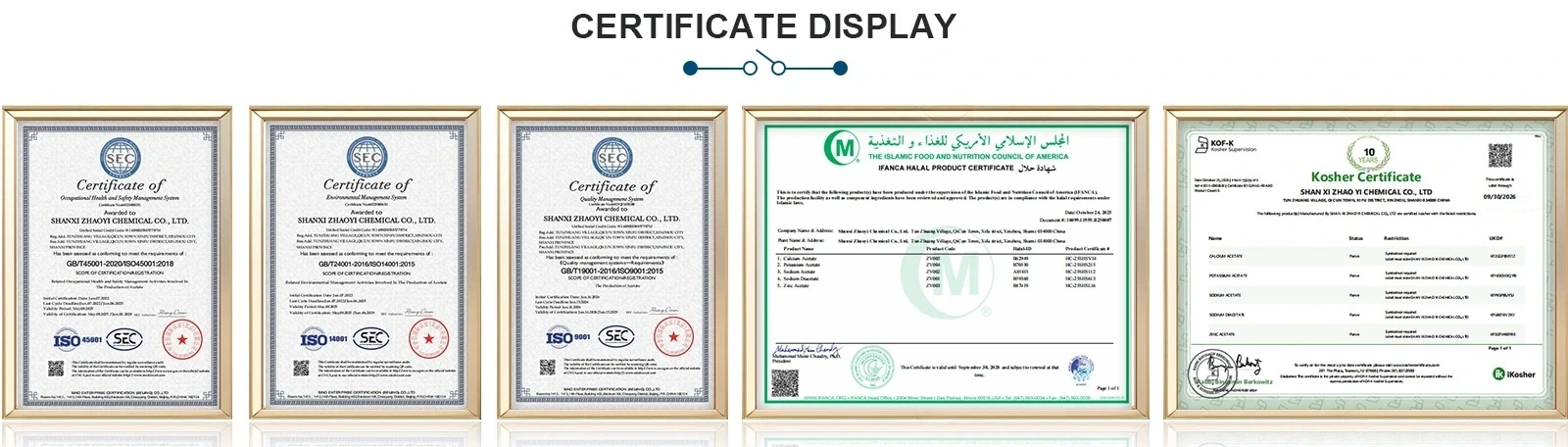
Our production system has passed ISO 9001:2015 international quality management system certification, achieving full standardized control from raw material input to finished product delivery. All products strictly comply with China’s GB2760 food additive safety standards and meet global food-grade chemical specification requirements.
We hold valid KOSHER and HALAL certifications, fully adapting to diverse dietary standard requirements of global markets. We support third-party authoritative testing by SGS and other accredited institutions to verify product indicators.
Testing is tough on every batch we run. It covers ICP-MS heavy metal screening and Karl Fischer moisture analysis. A full set of COA quality certificates goes out with each shipment, so product safety and compliance are backed up in writing.
Packaging Options
Our packaging is food-grade and built to keep moisture out. That guards the product in transit and in storage. Order volumes and production needs differ, so we match the packing to each one:
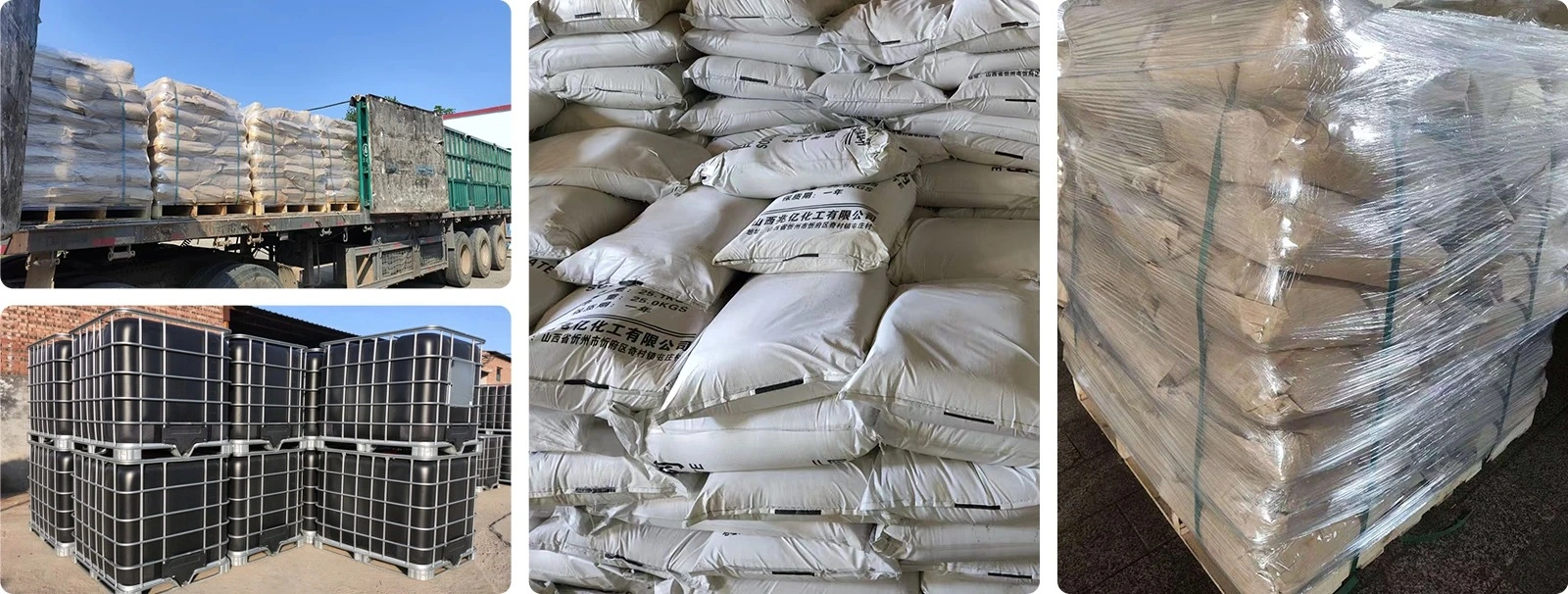
Standard Packaging: Bags are made of food-grade paper and hold 25kg apiece. A PE liner sits inside each one. That keeps damp out and the product clean. For routine bulk orders, this works well.
Conventional Bulk Packaging: Food-grade woven bags, and the inner layers are made of thicker PE. The structure holds up better, so this option suits long export journeys.
Customized Packaging: Packaging can also be built to your own specs. Large food manufacturers tend to ask for 500kg bulk bags, or sealed plastic buckets. Automated feeding lines handle both of those. So do unusual storage needs.
Every export package carries full batch details, plus the production and expiration dates. Pallets get wound and wrapped with a moisture barrier. So the goods arrive in one piece.
Manufacturing Process of Sodium Acetate Anhydrous for Food Processing
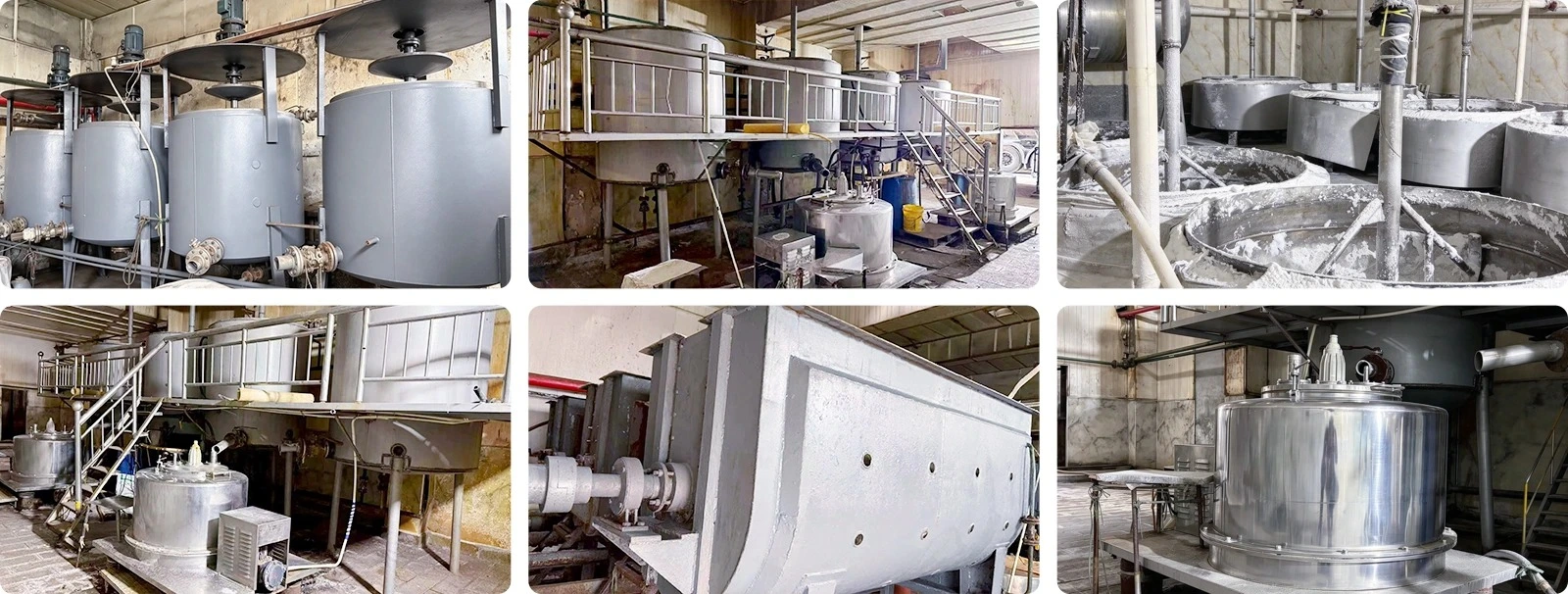
Our raw materials are food-grade acetic acid and sodium hydroxide. Purity runs high on both. Suppliers have to hold the right certificates. Nothing unwanted gets in at the source that way. The neutralization synthesis happens in a closed reactor, kept at a steady temperature. pH gets tracked in real time and held tight, so the reaction goes far enough and stays steady.
Synthesis finishes, and the liquid goes through several rounds of fine filtration. Activated carbon purification comes next. Leftover particles get removed at this stage, along with tiny traces of organic matter and the impurities that bring color. What remains is a clear solution with a high purity level.
Next, the purified liquid moves through spray drying equipment where the temperature is held inside a tight range. What comes out is a uniform anhydrous crystalline powder that carries very little moisture. Particle size gets fixed by a screening step at the end. Fineness stays the same, and the powder behaves reliably when it is used.
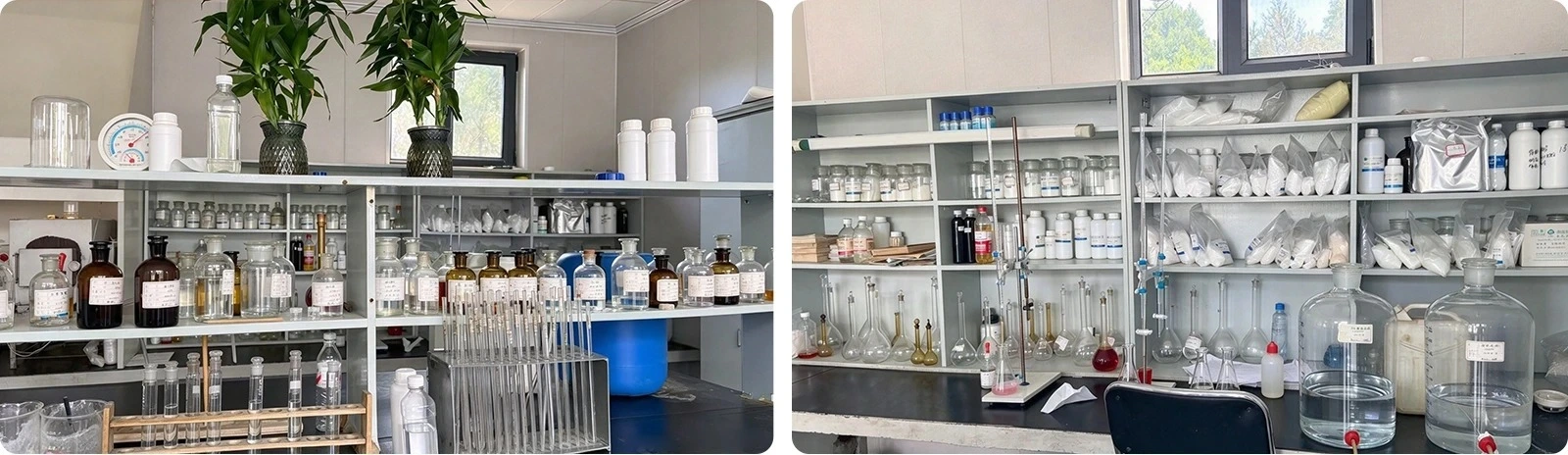
Our professional quality control lab runs more than 15 core indicator tests on every batch. Only products that fully meet food-grade standards can be packaged and delivered. The batch qualification rate comes out at 100%.
Case Studies
European Snack Manufacturing Cooperation: A well-known European snack producer replaced its original raw materials with our anhydrous sodium acetate. The excellent moisture resistance completely solved packaging sealing failure and product deterioration caused by raw material moisture absorption, reducing product return rates by 40% and greatly improving market reputation.
Asian Meat Processing Project: A large Asian meat processing enterprise applied our product to deli ham formulas. With efficient antibacterial and pH buffering performance, the refrigerated shelf life of finished products was extended from 21 days to 32 days, and the Listeria inhibition effect was significantly improved compared with traditional raw materials.
North American Bakery Chain Application: A bakery chain in North America had bread rope spoilage in 200 offline stores. Our products wiped out the problem for them. The pH held steady. That made up for flour acidity differences between regions. Dough quality stayed the same. So did the taste of the finished product.
Why Choose Us
36 Years of Focused Manufacturing Experience: Acetate product R&D and production have been our only focus on Sodium Acetate Anhydrous for Food Processing since 1988. Our food-grade production processes are mature. On top of that, we carry plenty of hands-on application experience from inside the food industry.
Stable Large-Scale Supply Capacity: Our yearly output reaches 150,000 tons. Inventory reserves stay deep as well. The two together cover the ongoing production needs of large food factories worldwide, so a supply shortage is not a risk.
Cost-Effective Factory Direct Supply: The standardized factory we run covers 27,000 ㎡. Goods leave it directly, so no middleman adds a markup. Product standards stay where they are, and buyers still bring their procurement costs down.
Professional Customized Technical Service: Our food technical team provides targeted formula optimization, dosage adjustment and processing parameter guidance according to customers’ different product systems, maximizing raw material utilization efficiency.
Mature Global Export System: Logistics and customs clearance run through channels we already have in place. Europe, America and Asia are covered. Every batch of goods arrives safely at its destination. Arrival times hold up, and all rules are met.
FAQ
Q: Why does anhydrous sodium acetate work better in food processing than the trihydrate type?
A: A1: Moisture in anhydrous sodium acetate stays very low, at ≤0.5%. Trihydrate is different, it holds 36%-40% crystal water. In dry formulas our product will not cake or spoil from damp. Food production that is sensitive to moisture gets better stability this way.
Q: Can this product be used for organic food production?
A: A2: Sodium acetate shows up on the permitted additive list for most organic food processing cases. Tell us which certification standards apply where you are. Then we can help you confirm that you meet all of them.
Q: When pH is adjusted, how does sodium acetate differ from citric acid?
A: A3: Sodium acetate holds the pH steady at 4.5-5.5 in meat and savory foods. For acidic products under pH 4.0, citric acid does a better job. Drinks are one example. In those, you get no buffering at all from sodium acetate.
Q: How much do you normally add to processed meat products?
A: A4: By weight, most producers stay in the 0.1%-0.5% range. That dose usually goes in together with 1%-2% sodium lactate. Formulas do vary. Two things decide the final numbers, the shelf life you want and local rules.
Q: Does the product alter how the finished food tastes?
A: A5: At conventional functional dosage (0.1%-0.3%), it has almost no impact on food flavor. Higher dosage (5%-15%) is specially used to create vinegar tangy flavor for snack products.
Q: Do you support formula technical guidance and sample testing?
A: A6: Yes. We provide free sample support and professional formula optimization guidance, helping customers complete trial production and process docking quickly.
Request a Quote
Feel free to contact our professional sales team about Sodium Acetate Anhydrous for Food Processing for one-stop business cooperation and technical support: sxzy@sxzhaoyi.com

USER EVALUATE
Here is the customer's evaluation of us