



runway deicing agent
Main Component: Potassium Acetate
CAS NO.: 127-08-2
Molecular Formula: CH₃COOK
Molecular Weight: 98.14 g/mol
Character: Clear, colorless, low-viscosity liquid with good wetting, spreading, and low-temperature performance. It can be sprayed before freezing precipitation or applied after snow and ice accumulation.
Usage: Used for runway anti-icing, deicing, snow-bond prevention, and ice-removal support. Suitable for airport runways, taxiways, aprons, service roads, bridges, and other paved surfaces where chloride-free ice control is preferred.
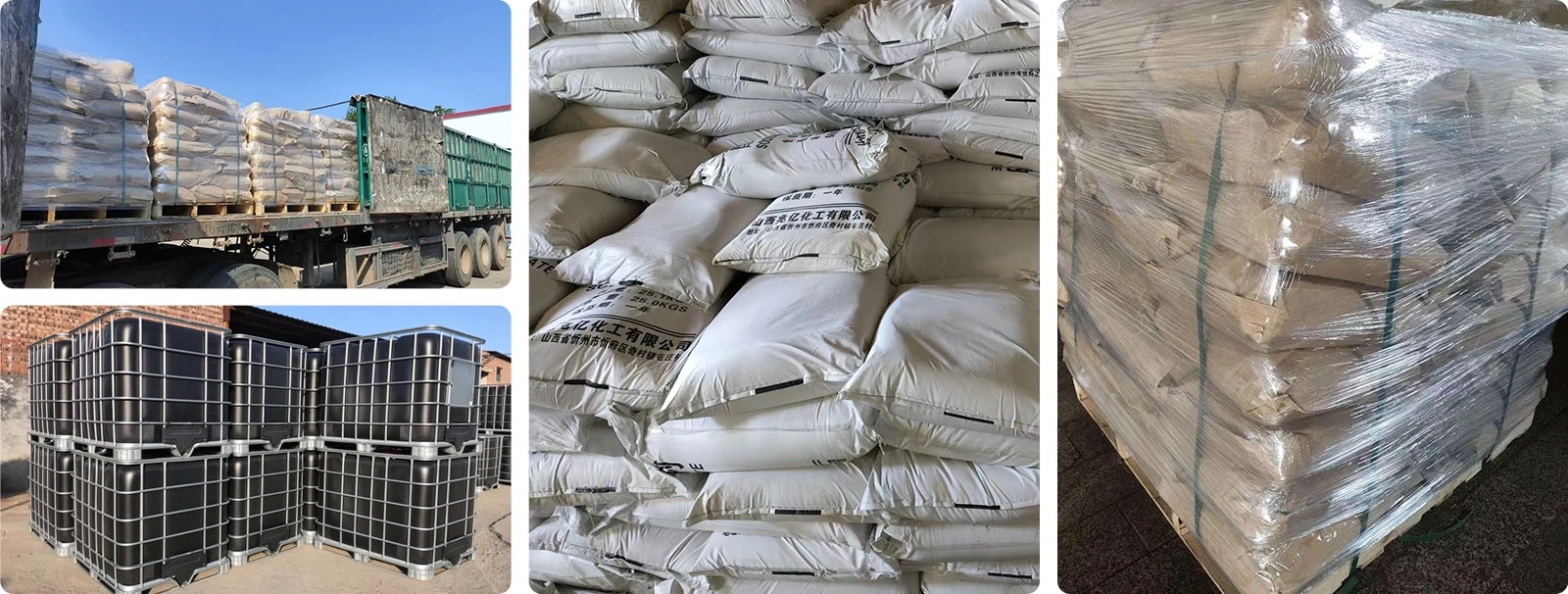
Package: 200 L drum, 1000 L IBC tank, ISO tank, or bulk tanker.
Storage: Store in sealed, corrosion-resistant containers. Protect from contamination, package damage, accidental dilution, acids, oxidizers, and unsuitable storage temperatures.
- Product Description
Runway Deicing Agent – Potassium Acetate-Based Aviation Snow Control Solution for Safe Airport Operations
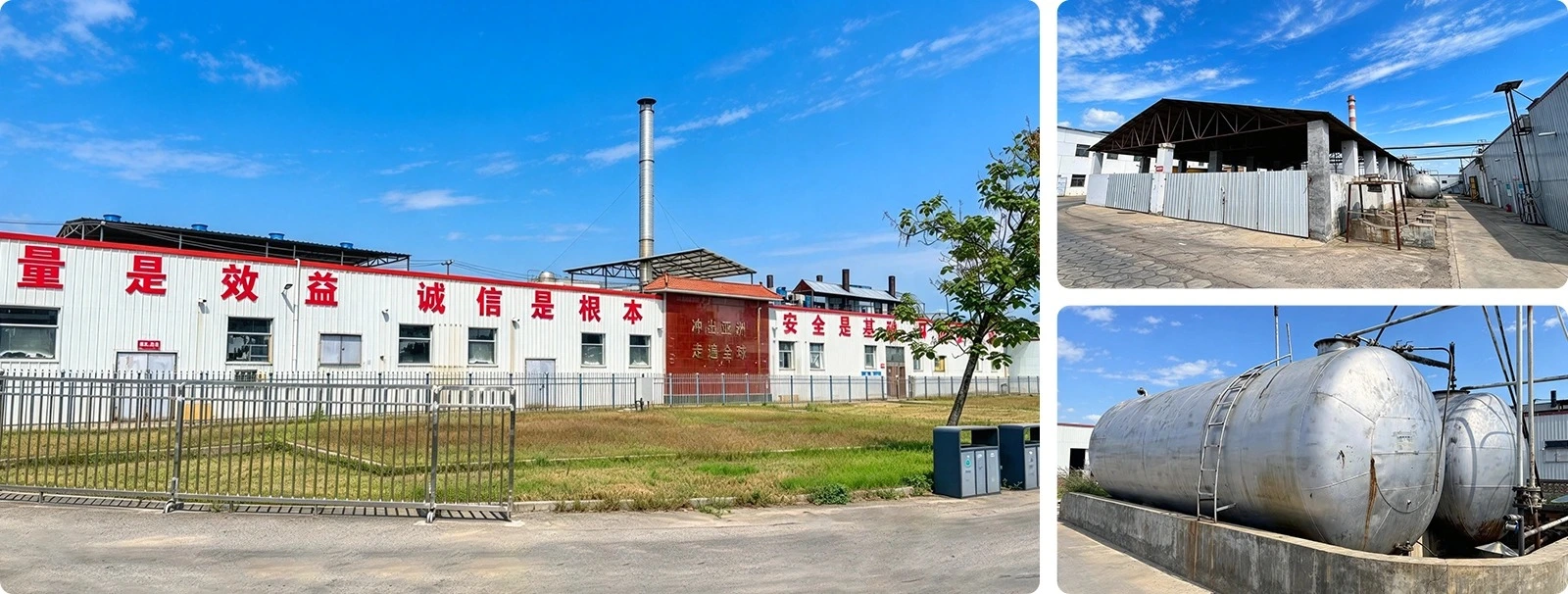
Potassium acetate (CH₃COOK, CAS 127-08-2) does the main job in the runway deicing agent from Shanxi Zhaoyi Chemical Co., Ltd. Our company has been in this trade since 1988. The plant sits on 27,000 square meters. Each year it makes 150,000 tons of acetate. Put our liquid product down on ice and the layer breaks apart fast. A film against ice stays on the surface and keeps working. Very low temperatures do not stop it. The formula meets SAE AMS 1431. Corrosion on aircraft landing gear, aluminum structures, and runway surfaces therefore stays low. No chloride goes into it at all. International environmental standards are met too.
Important Features & Advantages
The practical difficulties of airport operations were taken into consideration when designing this deicing fluid. This is what makes it :
Low Corrosion Profile: Treatments built on sodium chloride eat away at runway lights set into the pavement. They damage hydraulic lines too. Aircraft tires suffer the same way. Potassium acetate does none of this. Fewer repairs come out of that over the years. Maintenance bills shrink. Ground crews also lose less time to fix-ups.
Quick-Acting at Low Temperatures: Granular products work slowly next to a liquid deicer. Bonds inside the ice give way almost at once. Winter runway clearing at airports then takes less time. Fewer delays follow. Flight schedules hold.
Extended Holdover Protection: One pre-application keeps ice away for 12 to 24 hours. That window gets shorter when more precipitation falls. Older deicing products stop working faster. So you have to apply them again and again.
Ecologically Conscious: This acetate-based mixture breaks down in nature. It will not build up in groundwater. Airports have an easier time meeting green rules when they use it. Plants and soil nearby stay safe too.
Technical Specifications
| Parameter | Specification |
|---|---|
| Main Component | Potassium Acetate (CH₃COOK) |
| CAS Number | 127-08-2 |
| Molecular Weight | 98.14 g/mol |
| Appearance | Clear, colorless liquid |
| Viscosity | Low-viscosity formulation |
| pH Value (15% solution) | 8.5–10.5 |
| Effective Working Temperature | Down to -60°C (subject to concentration) |
| Purity | ≥50% potassium acetate content |
| Compliance Standards | SAE AMS 1431 |
| Biodegradability | Readily biodegradable |
How It Works
Deicing works because of freezing point depression. Across runway surfaces, crews spread a potassium acetate solution. The acetate ions then break the hydrogen bonds that hold water molecules together. Ice crystals cannot form after that.
Anti-icing (pre-event treatment) Crews apply the solution 30–60 minutes before freezing precipitation is expected. A thin liquid film rests on the pavement. Snow and ice will not stick to it. That makes machine clearing much easier.
Deicing (post-event treatment) Use this on ice that has already built up. Spray the product on top of it. Viscosity is low, so the fluid spreads fast. It then works its way into the gaps between ice and pavement. Within 10–15 minutes the bond begins to weaken. Ploughing and sweeping can start after that.
wetting & spreading capacity We tune the surface tension. The liquid then covers grooved runways and expansion joints evenly. Solid granular deicers often miss those spots.
Applications
Runway systems give commercial and military airports an ice control option that follows aviation rules. Safety comes first with a runway deicing agent on aprons, taxiways, and runways. This is what these systems are built for.
Concrete bridges with steel reinforcement are where bridge deck maintenance pays off. Chloride causes concrete to peel and rebar to corrode. Stop that damage and transport infrastructure stays in service longer.
Airport access roads function well on maintenance routes, emergency vehicle routes, and perimeter roads. Without affecting vehicle grip, it quickly eliminates ice.
Helipad zones are suitable for both ground and rooftop helipads. The weight and drainage problems associated with conventional solid deicing chemicals are avoided.
Runway Deicing Agent vs Other Products
| Feature | Potassium Acetate (Our Product) | Sodium Chloride | Calcium Magnesium Acetate | Urea |
|---|---|---|---|---|
| Corrosion on Aluminium | Minimal | Severe | Minimal | Moderate |
| Minimum Effective Temperature | -60°C | -9°C | -18°C | -7°C |
| Environmental Impact | Biodegradable | High salinity pollution | Biodegradable | Risk of eutrophication |
| Form State | Liquid | Solid granules | Solid granules | Solid pellets |
| Anti-Icing Duration | 12–24 hours | 2–4 hours | 6–8 hours | 1–2 hours |
| Aviation Approval | SAE AMS 1431 compliant | Not approved | Limited approval | Restricted usage |
Certifications & Compliance
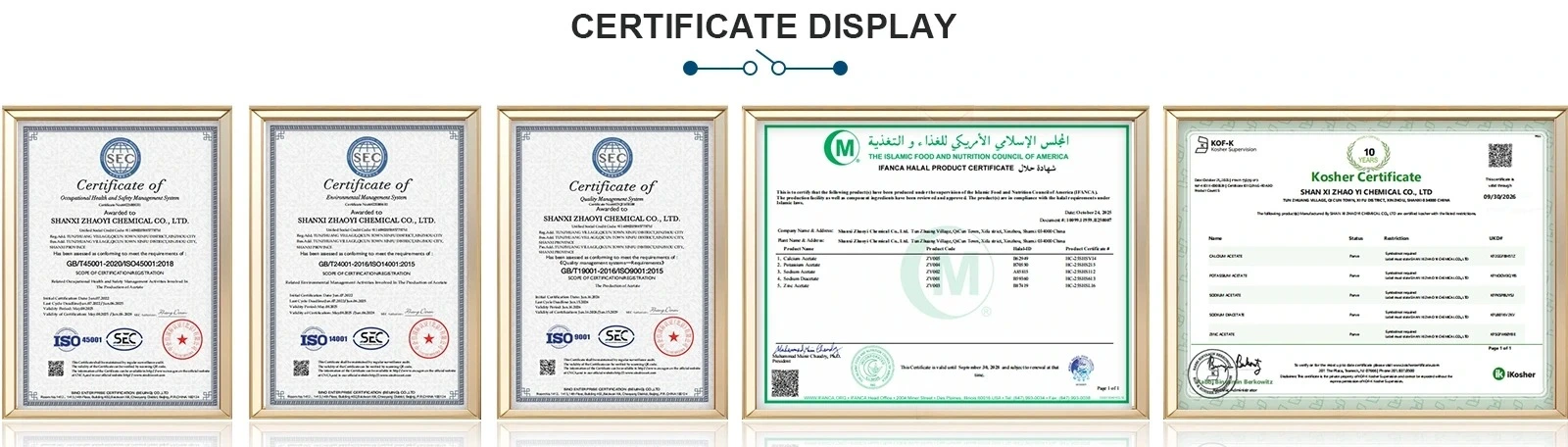
Zhaoyi Chemical holds ISO 9001 certification to stabilise consistent production quality. We also maintain KOSHER and HALAL certifications to support exports to markets with special documentary demands.
Our formulation conforms to SAE AMS 1431 specifications for airport pavement deicing and anti-icing fluids. Every batch passes corrosion testing on aerospace aluminium, magnesium and cadmium alloys before leaving the factory.
Packaging Options
- 200-Liter Drums: Smaller airports find these a good fit, and they work well for extra stock too. Anti-tamper seals come on every drum, along with batch traceability labels.
- 1000-Liter IBC Tanks: This mid-volume packaging saves floor space. Forklifts can move it without trouble. A built-in valve means you can hook the tank straight to your spraying equipment.
- ISO Tank Containers: Operators who run several sites tend to pick this bulk solution. Bigger order volumes help bring unit cost down. Product quality also stays protected over long-distance shipping.
- Bulk Tanker Delivery: Direct filling to clients’ on-site storage tanks, an ideal choice for large hub airports requiring continuous supply throughout winter.
Manufacturing Process
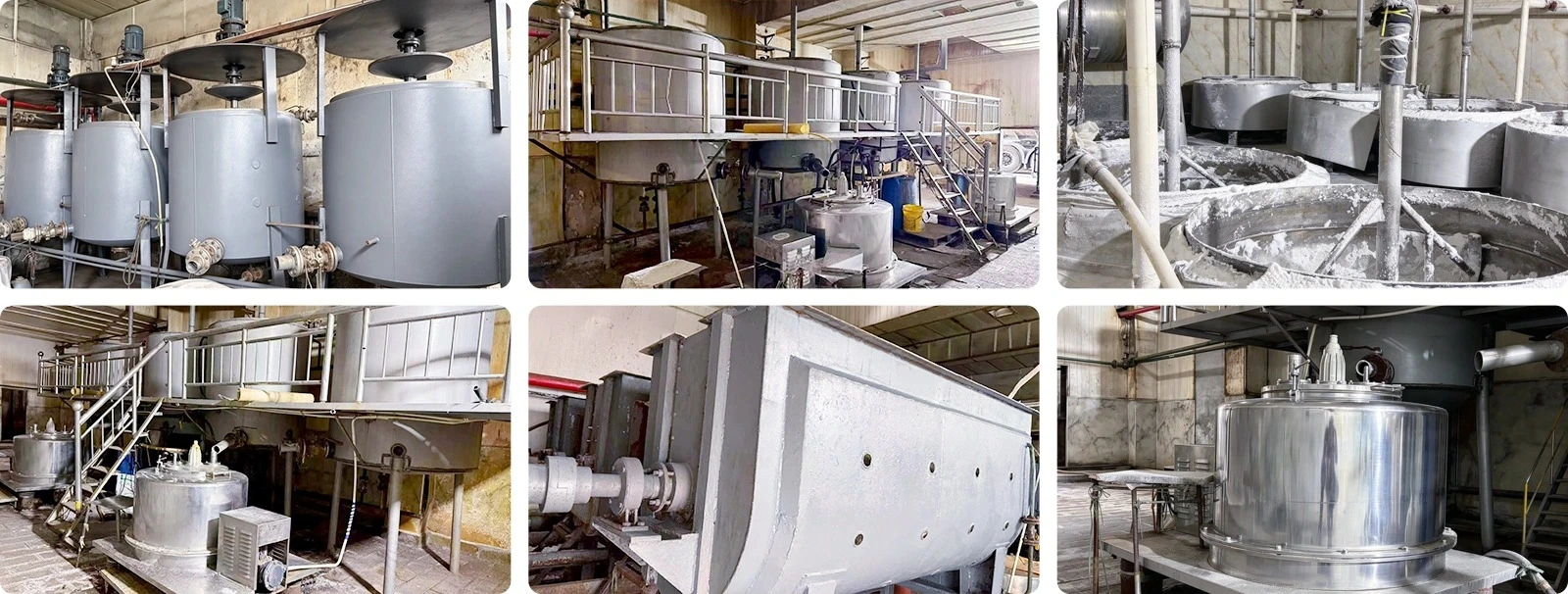
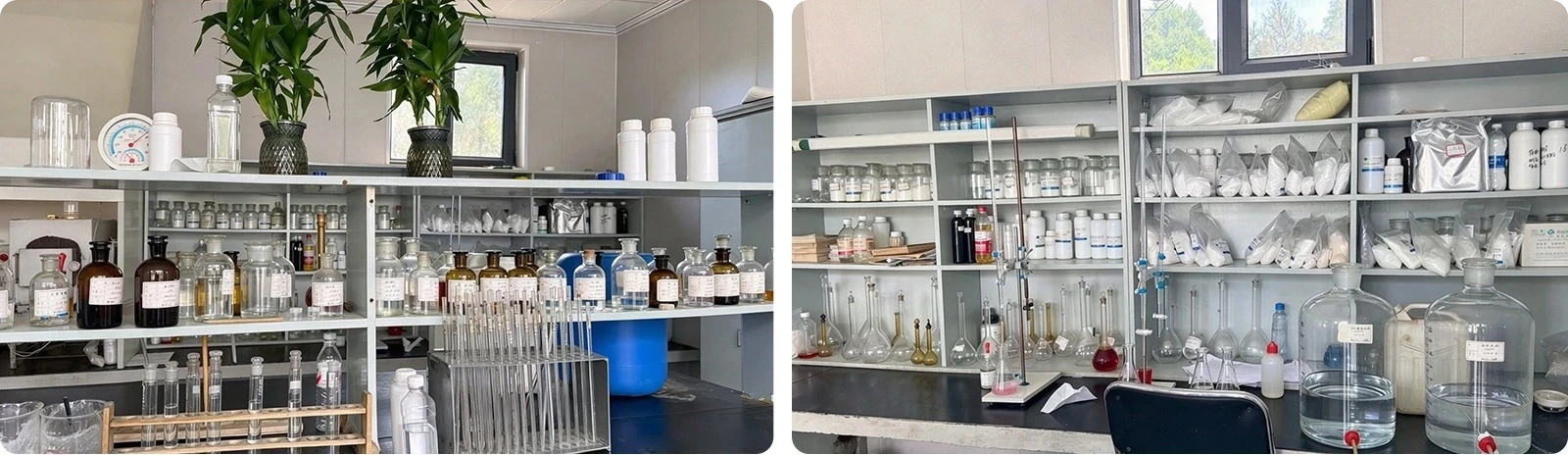
Our runway deicing agent is produced by a team of 60 staff operating continuous reactors to synthesise potassium acetate via neutralisation of acetic acid and potassium hydroxide. The QC laboratory tests each batch for purity, pH stability and corrosion performance prior to packaging.
150,000 tons a year is what our plant can produce. Even at peak demand, supply holds steady. Contamination risks are removed by automated filling lines. From raw material intake to final delivery, digital batch tracking keeps the whole chain fully visible.
Why Choose Us
36 Years of Experience in Manufacturing Since our founding in 1988, we have developed advanced technological expertise in the production of acetate, providing dependable product quality and expert continuing technical assistance.
Buyers in Europe, America, Asia, and other regions order from us. Our supply network has operated around the world for years. Logistics partners look after customers abroad. Those partners handle shipping and customs clearance.
Personalized Concentration Service We adjust potassium acetate levels to fit the local climate. Spray gear on the job also affects the final mix. Customers skip costs they don't need to pay.
Expert On-Site Technical Advice Our specialists offer practical tips on how to use products. They keep the weather in mind. Spray system calibration is explained too. You get more from the product and waste less.
FAQ
Q: What makes potassium acetate different from sodium formate when it comes to runway deicing?
A: Potassium acetate still works when it is colder. Spreading is easier as well. Sodium formate shows up on bridges a lot. Yet it does not fully meet aviation standards for material compatibility.
Q: What concentrations are recommended for anti-icing and deicing operations?
A: A 30–40% solution works for anti-icing treatment. Go with a 50–60% concentration when you need to remove ice directly. Operation protocols can be customised to your local climate.
Q: Will this agent cause damage to concrete runway surfaces?
A: No. Chloride salts can trigger concrete spalling when freeze-thaw cycles hit. Acetate-based fluid does not do this. It stays on top of the surface and breaks down naturally. The pavement structure holds up.
Q: What is the right way to store stock in the off-season?
A: Store it sealed, in containers that resist corrosion. Direct sunlight is bad for the drums, so keep them out of it. The temperature needs to stay in the 5–35°C range. Stored like this, the product keeps working for up to 24 months.
Q: Is potassium acetate safe to use on aircraft hydraulic parts?
A: Aerospace compatibility tests are complete, and they show it is safe with aviation hydraulic fluid, sealing materials, and composites. While handling it, follow the AMS 1431 guidelines.
Request a Quote
Need customized runway deicing agent pricing? Email our export team at sxzy@sxzhaoyi.com. The same team can send technical data sheets. Sample requests are welcome too.

USER EVALUATE
Here is the customer's evaluation of us