



airport runway deicing chemical
Main Component: Potassium Acetate
CAS NO.: 127-08-2
Molecular Formula: CH₃COOK
Molecular Weight: 98.14 g/mol
Character: Clear, colorless aqueous liquid with good spreading ability, low viscosity, and stable low-temperature fluidity. It is formulated for controlled application on airport pavement surfaces.
Usage: Used for preventive anti-icing and active deicing of airport runways, taxiways, aircraft aprons, service roads, and parking areas. It penetrates snow and ice layers, reduces adhesion to the pavement, and makes mechanical removal more efficient.
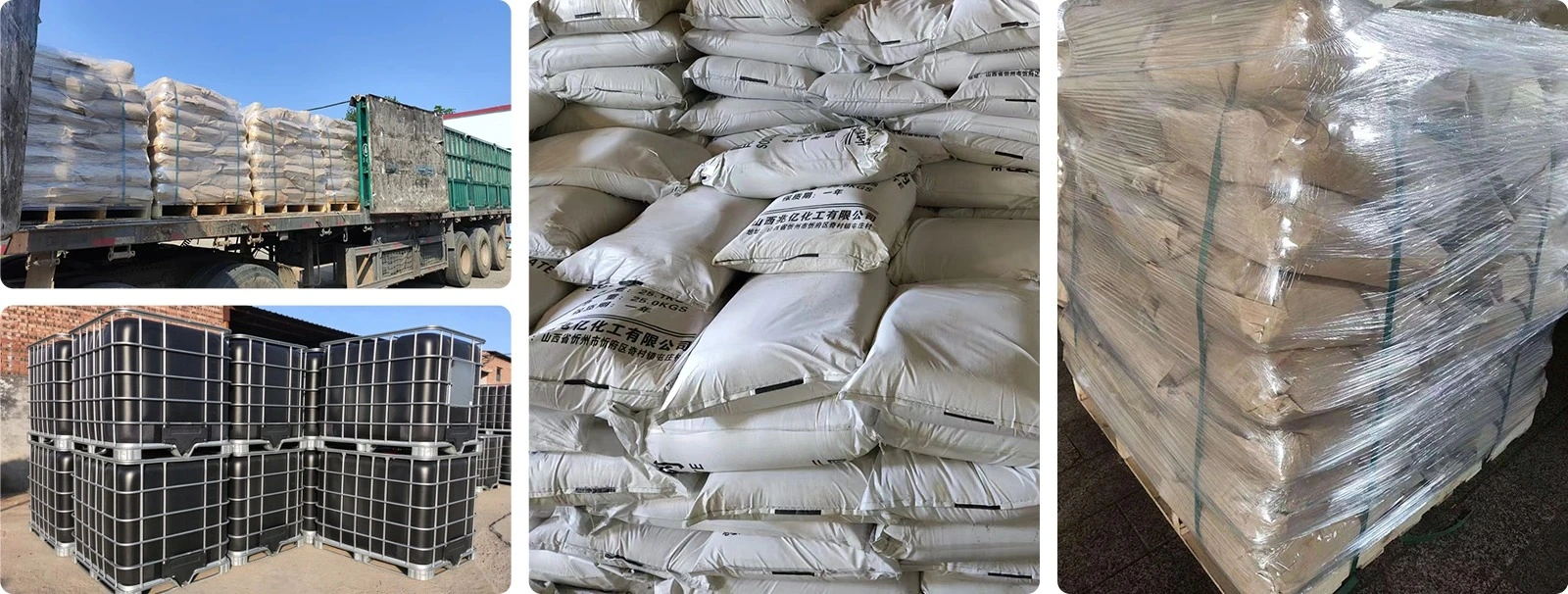
Package: 200 L drum, 1000 L IBC tank, ISO tank, or bulk tanker.
Storage: Keep the product in sealed, compatible tanks or containers. Protect from contamination, evaporation, unintended dilution, extreme temperatures, acids, and oxidizing materials.
- Product Description
Airport Runway Deicing Chemical – Professional Potassium Acetate Solution for Aviation Safety
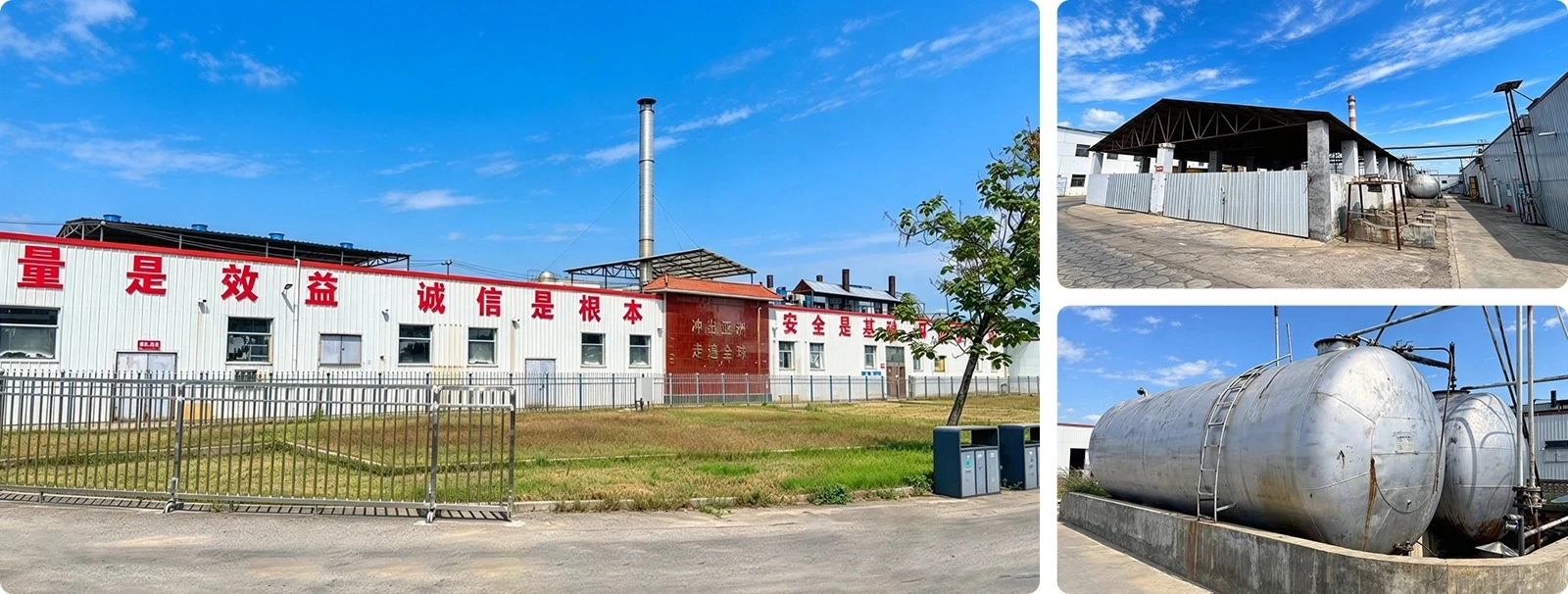
Aviation-grade deicing supplies come from Shanxi Zhaoyi Chemical Co., Ltd. This line of work is nothing new to us. Our airport runway deicing chemical starts with high-purity potassium acetate (CH₃COOK, CAS 127-08-2). We have gathered over 36 years of industry experience since 1988. The production base sits on 27,000 ㎡. Output each year holds at 150,000 tons.
Cold weather does not stop this high-end liquid deicing solution. Viscosity stays low. The liquid looks clear and has no color. Its molecular weight comes to 98.14 g/mol. Deicing keeps working at temperatures as low as -60°C. For winter aviation operation guaranty, it counts as a safe and effective choice. Professional airport use is what the formula was made for. Aircraft components and runway infrastructure face no corrosion risk. Ice gets penetrated fast, then melted away. International environmental protection standards are met too.
Key Features & Benefits
Airport winter operations today want deicing solutions that work efficiently. Safety and environmental care matter just as much. Many of the problems older deicing products bring are handled by our this product. Chloride-based deicers corrode aircraft tires, landing gear and pavement structures. That pushes maintenance costs up. Aviation safety hazards can be created as well.
No Corrosion Damage at Aviation Sites A pure potassium acetate formula sits behind this product. Chloride is not part of it at all. Runways made of concrete or asphalt do not corrode. Nor do the lighting units built into the pavement. Plane parts come away unharmed as well. Pavement and aviation gear both end up serving you for more years.
Quick Penetration & Strong Performance This liquid is thin and pours easily. Over any pavement surface it spreads in an even layer. Slipping into the bond between the ice and the ground takes almost no time. Once it gets there, the ice grips far less. Snow crews then have a much easier job, so runways open again sooner.
Safe for Nature & Meets the Rules In nature this formula breaks down completely. BOD levels are extremely low, so soil and water close by face no harm. Products made with urea behave in another way. They give off toxic ammonia, and they stop working once the temperature falls below -7°C. Our product keeps doing its job at ultra-low temperatures, and it stays safe for the environment.
Long-Lasting Anti-Icing Effect Use it during your normal schedule. A thick layer then forms on the pavement to protect it. That layer can stop ice for up to 24 hours. Freezing weather delays fewer flights. Crews spray much less often too, so they save on labor and chemicals.
Technical Specifications
| Parameter | Specification |
|---|---|
| Main Component | Potassium Acetate (CH₃COOK) |
| CAS Number | 127-08-2 |
| Molecular Weight | 98.14 g/mol |
| Appearance | Clear, colorless liquid |
| Viscosity | Low (optimized for spreading) |
| Effective Temperature Range | Down to -60°C |
| pH Value | 7.5-9.5 |
| Density | 1.25-1.30 g/cm³ at 20°C |
| Biodegradability | Readily biodegradable |
| Corrosion Rate | Non-corrosive to metals & concrete |
How It Works
This professional airport runway deicing chemical relies on a proven method to lower the freezing point. Ice melts quickly under it, and new ice stays away for a long time. The moment it lands on the runway, tiny potassium acetate molecules get into the space between the ice and the ground. That action breaks the molecular bond holding the ice to the pavement.
Its viscosity and surface tension are set low. The liquid therefore spreads out fast and soaks in quickly. A brine with a low freezing point is what you get. Even in severe cold, ice will not stick to the pavement. Mechanical equipment can clear the loose ice and snow without much trouble during regular deicing. Machines wear down less, and operations face less pressure. When you use it as a preventive anti-icing treatment, the thin film left behind stops snow and frost. Ice will not bond again, and the runway stays safe for use.
Applications
Runways & Taxiways Most of the work happens right here. Civil airports rely on it, and military ones do too. The pavement keeps a steady friction coefficient. Planes can take off and land, and they can taxi as well, even when the weather is freezing.
Aircraft Aprons Ice does not get a chance to build up on parking spots or service areas. That takes away the safety risks for ground crew on the job and for people boarding the plane.
Airport Service Roads & Parking Areas Emergency lanes stay free of ice. So do the routes fuel trucks drive and the parking lots by the terminal. Every supporting facility at the airport keeps running without trouble.
The formula is highly compatible with all aviation equipment and composite materials, with no risk of hydraulic fluid pollution or equipment aging, fully meeting strict aviation operation standards.
Airport Runway Deicing Chemical vs Other Products
| Feature | Potassium Acetate | Urea | Sodium Chloride | Calcium Chloride |
|---|---|---|---|---|
| Effective Temperature | -60°C | -7°C | -18°C | -29°C |
| Corrosion Risk | Non-corrosive | Moderate | High | Very high |
| Environmental Impact | Biodegradable | Toxic (ammonia) | Harmful to vegetation | Soil contamination |
| Aircraft Compatibility | Excellent | Poor | Damaging | Damaging |
| Pavement Safety | Preserves surface | Causes scaling | Concrete spalling | Accelerated cracking |
| Application Rate | 50-150 g/m² | 200-400 g/m² | 100-300 g/m² | 80-200 g/m² |
Certifications & Compliance
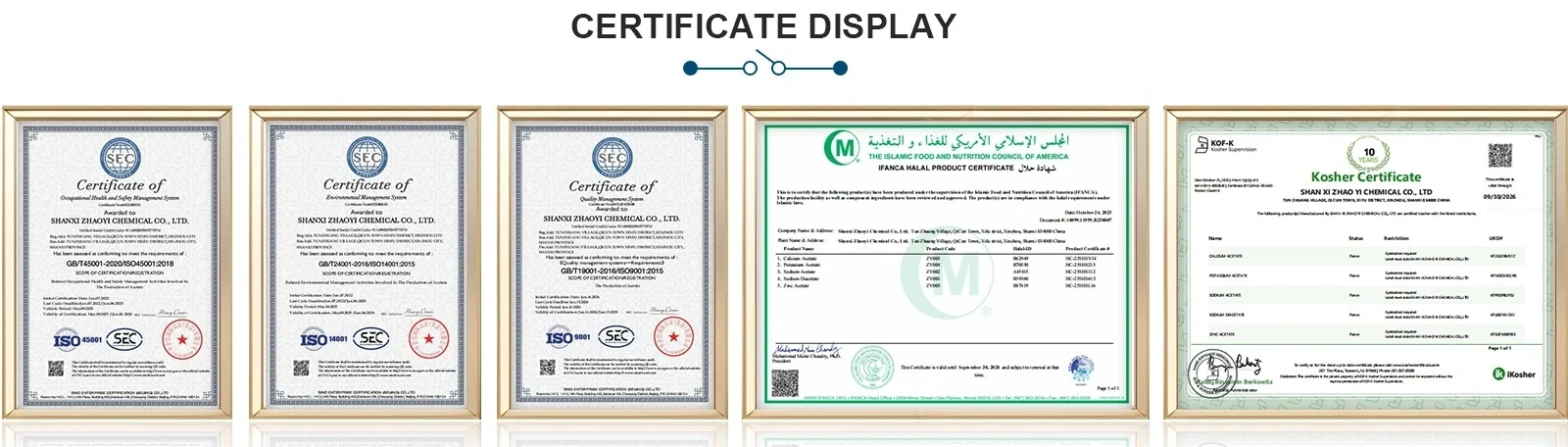
Our production base strictly implements the ISO 9001 quality management system to ensure stable batch-to-batch product consistency. We hold valid KOSHER and HALAL certifications to meet diverse access requirements of global markets.
Our products all meet SAE AMS 1431. That is the international spec for runway deicing chemicals used in aviation. Every batch gets a strict purity check. Then we verify how it performs. A safety inspection comes next, before anything ships. This keeps us in line with aviation safety rules and environmental protection standards.
Packaging Options
200L Plastic Drums This is the standard pack for small batches. Small and medium airports use it for daily reserves and for emergencies. Storing it is simple. Moving it around is simple too.
1000L IBC Tanks Packaging for medium volumes that keeps costs down. Handling stays easy, and storage space is still generous. Winter deicing runs on a regular schedule, and this size fits that work well.
ISO Tanks A bulk packaging option built for big hub airports. It covers long international routes and brings total buying costs down.
Bulk Tanker Delivery For heavy users who already own storage tanks, nothing beats it on price. It also suits peak season, when supply has to be gathered in one place.
Each package is sealed by design, and that keeps pollution out. The product does not go bad as a result. Evaporation and moisture pickup are the usual culprits during shipping and storage. Both are blocked by the seal.
Manufacturing Process
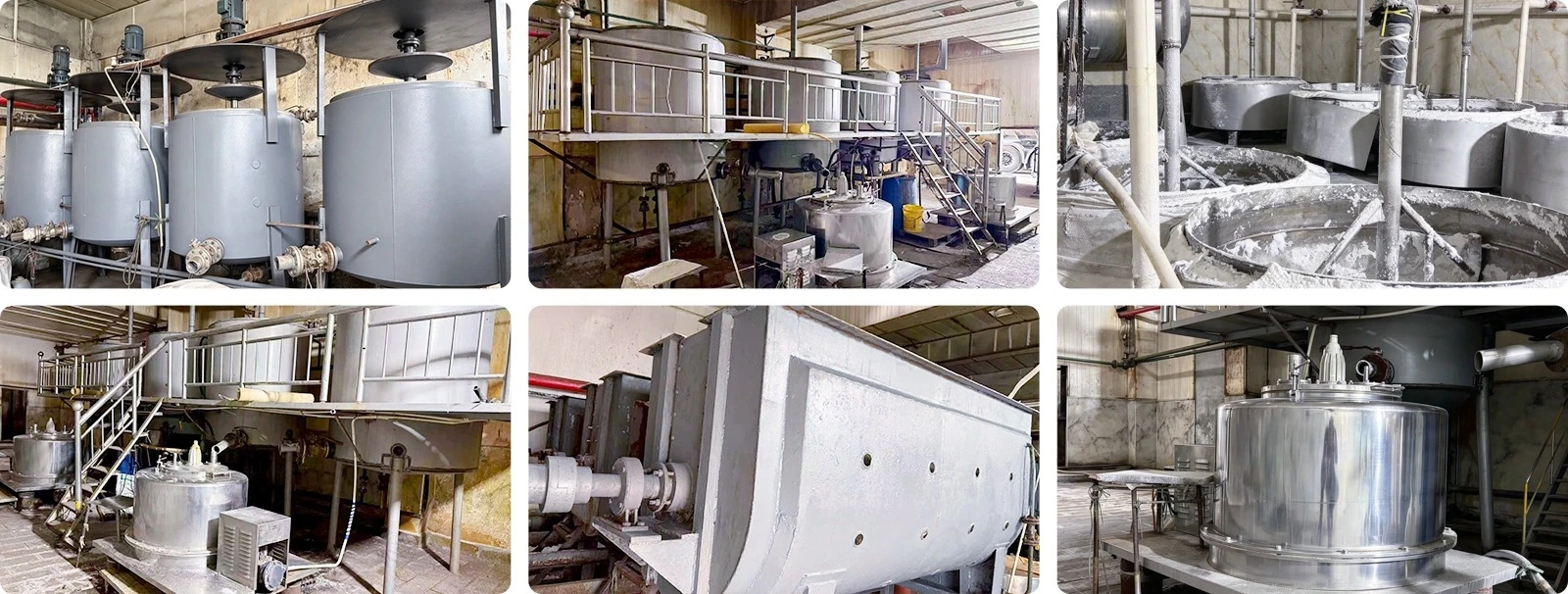
Aviation-grade purification production technology is what we use. Raw materials have to be high-purity. We screen them first, then run them through multi-stage filters before production begins. This removes impurities. Some impurities can hurt product performance. Others can clog spraying equipment.
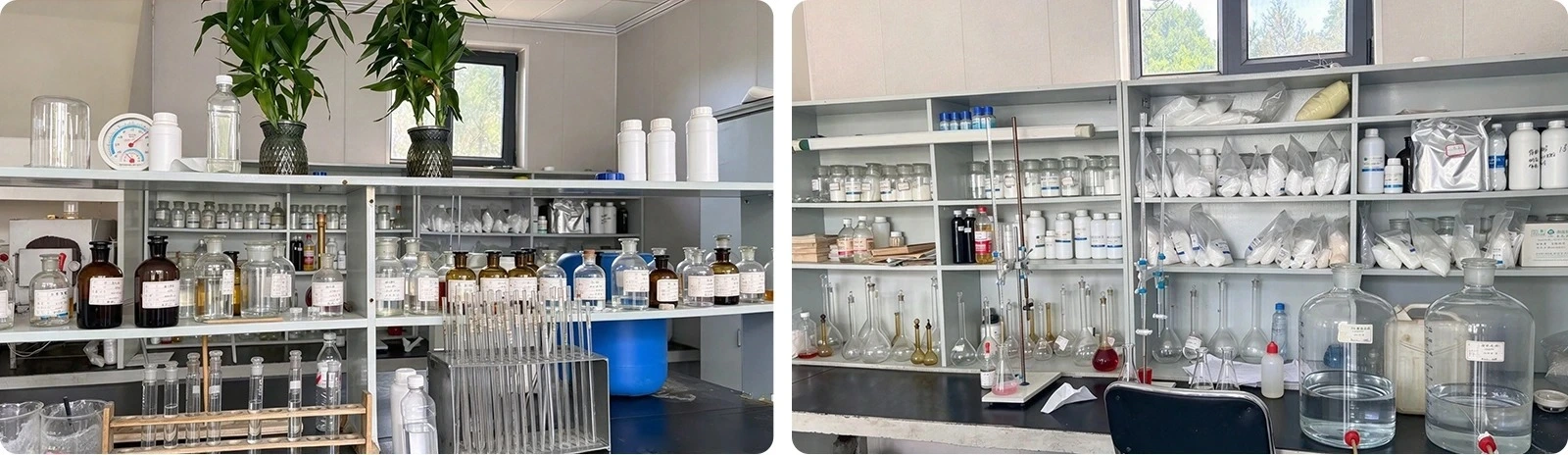
pH value and concentration stay under precise control through the whole synthesis process. That gives every batch the same consistent quality. We also apply professional anti-aging and anti-caking treatment. It keeps fluidity stable during long-term storage. Before delivery, each finished product gets tested. Tests cover viscosity, freezing point, corrosion resistance, and environmental performance.
Why Choose Us
36 Years of Expertise in Manufacturing Since 1988, our focus has stayed on acetate chemicals. We develop them and make them. That work gave us extensive experience. We provide dependable product performance for airport runway deicing chemical and international aircraft deicing projects.
Stable Large-Scale Production Capacity: We turn out 150,000 tons a year. Stock on hand stays plentiful for that reason. Winter brings a demand spike. Nothing runs out. Every delivery still shows up on time.
Technical Solutions That Fit Your Needs: Expert training for ground crews is one service we offer. Deicing plans get built too. Dosage rates are set per client, and the local temperature changes those numbers. Runway materials matter just as much. Another factor is how a client runs its operation.
A Worldwide Service System That Is Already in Place: Our logistics network reaches across Europe, America, and Asia. One-stop service is what international clients get. Document sorting falls under it. So does customs clearing. Technical help after the sale is part of the package too.
FAQ
Q: How is liquid potassium acetate better than solid types?
A: A1: Liquid potassium acetate breaks down ice quicker. No pre-dissolving step is needed. Standard airport sprayers handle it fine, which keeps the coverage even. Compared with solid potassium acetate, the work goes a lot faster.
Q: How much should you apply for each ice thickness?
A: A2: Ice that is thin (≤5mm) calls for 50-80 g/m². When the ice sits 5-10mm thick, 80-120 g/m² does the job. Go past 10mm (>10mm) and you need 120-150 g/m². Team it up with mechanical removal. Best results come from that combo.
Q: Will the product leave a slick film on the pavement?
A: A3: When you apply the standard calibrated dose, extra residue is not a problem. The solution breaks down all the way and dries off by itself. Pavement grip comes back to a high level. Planes can then operate safely.
Q: How long can the product be stored before it goes bad?
A: A4: Leave the product inside its sealed pack. Store it somewhere cool and dry. Pollution and extreme heat or cold must not reach it. Do that, and it keeps working at full performance. Shelf life runs 24 months.
Q: Is it compatible with conventional airport spraying equipment?
A: A5: Fully compatible with all standard liquid spraying systems including truck-mounted sprayers and automatic distribution equipment, no equipment modification required.
Request a Quote
Feel free to contact our professional aviation chemical and airport runway deicing chemical sales team at sxzy@sxzhaoyi.com to obtain accurate technical parameters, and exclusive delivery plans for your airport.

USER EVALUATE
Here is the customer's evaluation of us